Sri Lankan Rainbow Rasbora: Rasboroides vaterifloris
A rare endemic nano rasbora from Sri Lanka with pearl-pink sheen, for soft, acidic water at 24-27°C, pH 6.0-6.5. Tank size, diet, breeding and tank mates.
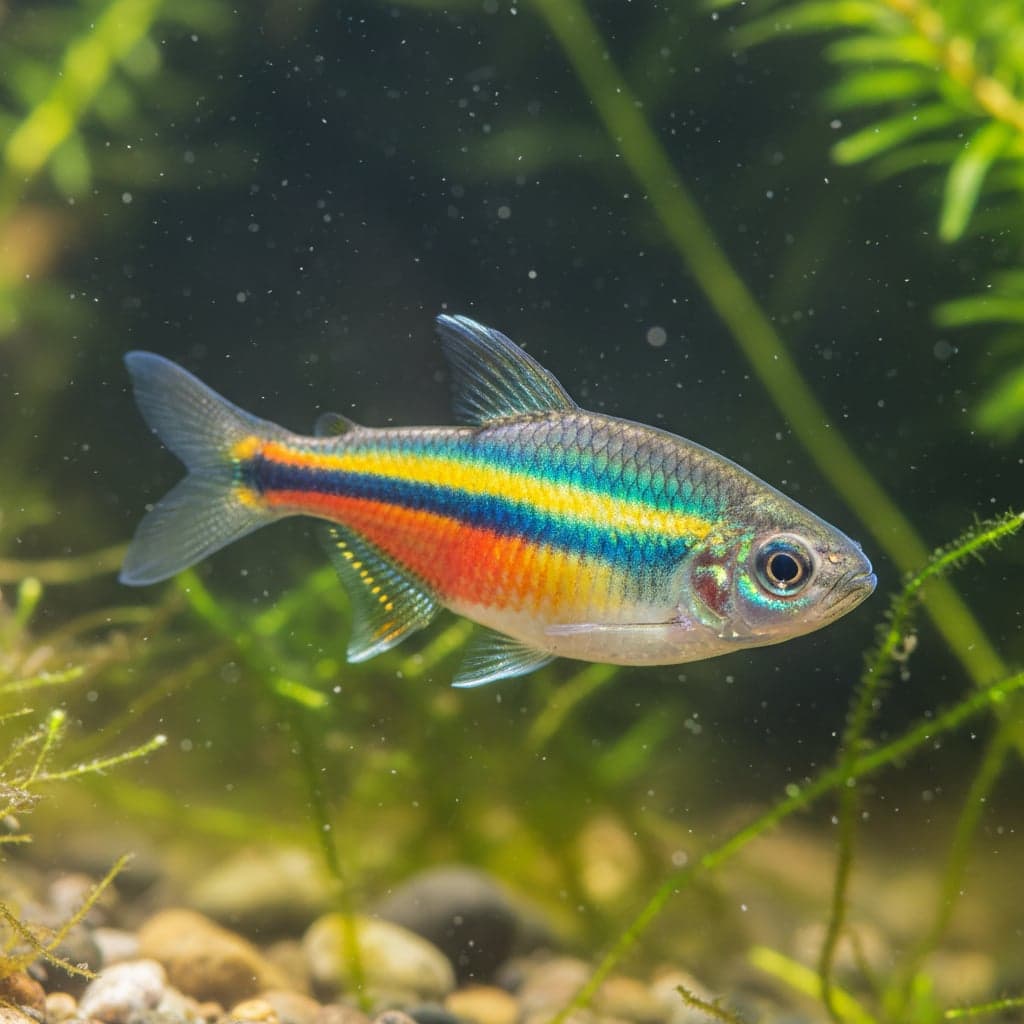
Sri Lankan Rainbow Rasbora
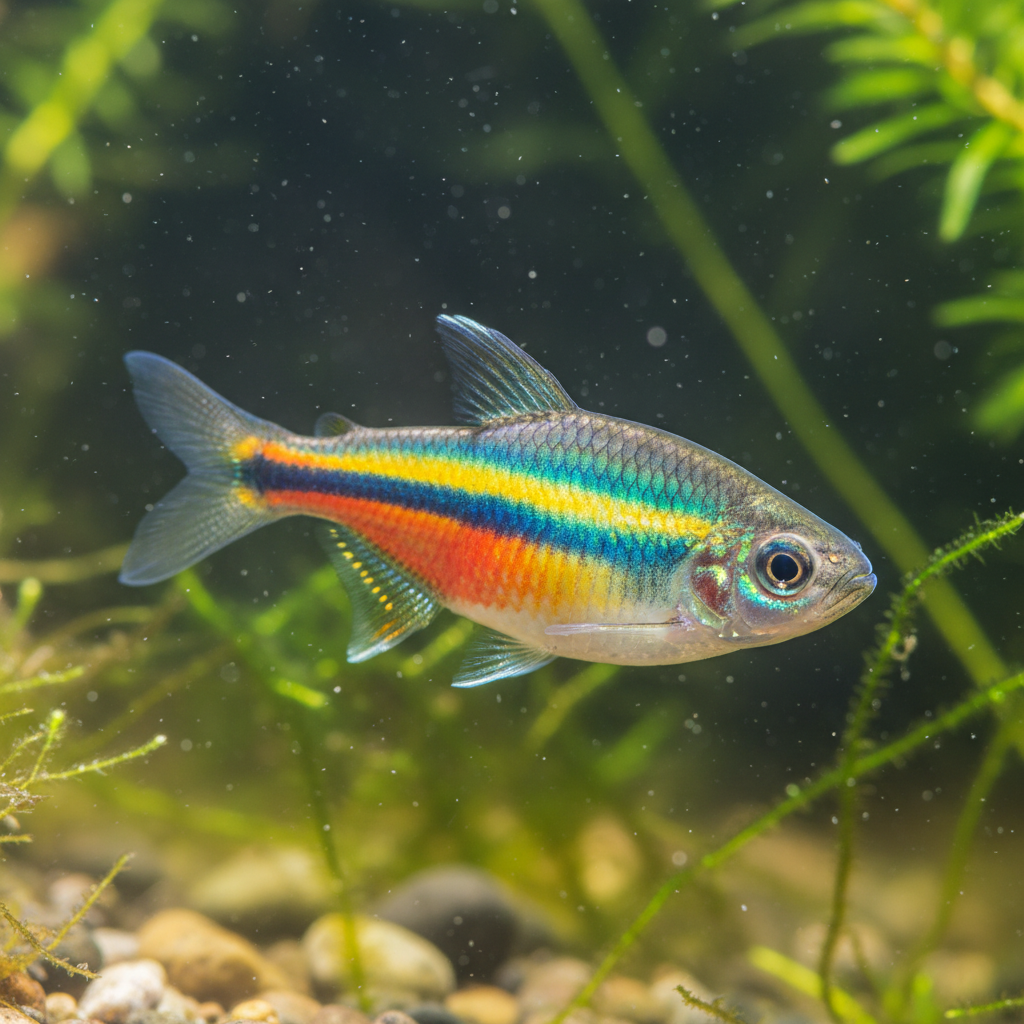
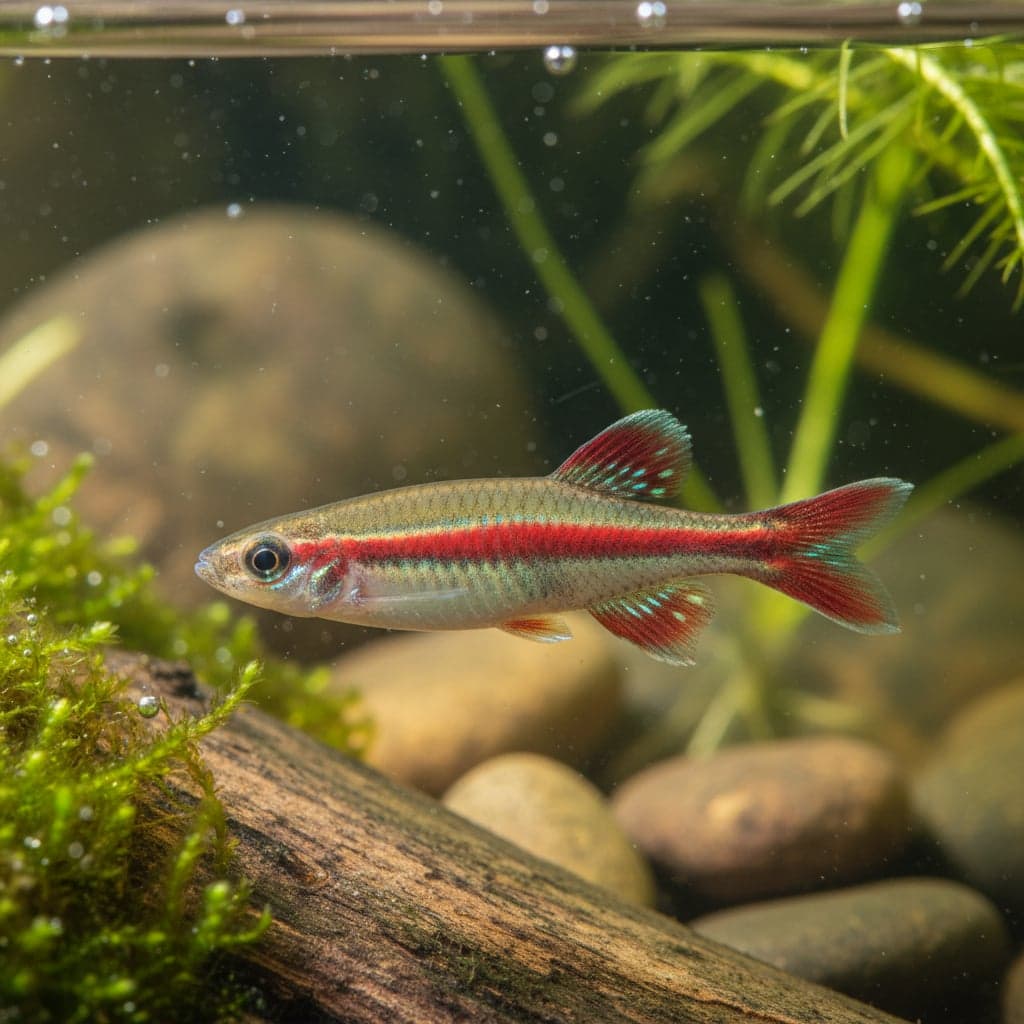
The Sri Lankan Rainbow Rasbora, scientifically known as Rasboroides vaterifloris, is a captivating and vibrant freshwater fish that has become increasingly popular among aquarium enthusiasts. Characterized by its iridescent sheen and dynamic coloration, this species exhibits a beautiful array of shades ranging from shimmering greenish-gold to deep bluish hues, particularly highlighted during spawning. These striking colors set it apart in any community aquarium, making it a prized addition for aquarists who appreciate both aesthetic beauty and the vibrant presence of live creatures within their aquatic displays.
Originating from the lush waterways of Sri Lanka, the Sri Lankan Rainbow Rasbora holds significant ecological importance as well as popularity in the aquarium hobby. Its native habitats comprise densely vegetated areas often carpeted with leaf litter, providing essential cover and foraging grounds. This fish not only adds to the visual charm of an aquarium but also serves as a representation of the unique biodiversity that Sri Lanka offers. As more enthusiasts seek to replicate the serene tranquility of its natural environment, understanding and caring for this species properly has become a focal point in freshwater aquaristics.
Natural Habitat & Origin
The Sri Lankan Rainbow Rasbora is endemic to the freshwater systems of Sri Lanka, where it inhabits calm rivers, streams, and swamps. These biotopes are typically characterized by slow-moving waters that are rich in organic material, due to the abundant plant life and decaying foliage that furnish the ecosystem. The water in these regions usually encompasses a brownish tint, indicative of tannins released from decaying plant matter, thus categorizing it as blackwater. The surrounding environment features dense vegetation, which allows these fish to thrive, providing cover from predators and ample foraging opportunities.
In terms of environmental conditions, the natural habitats of the Sri Lankan Rainbow Rasbora generally exhibit a warm climate, with water temperatures hovering between 24°C to 28°C (75°F to 82°F). These conditions, coupled with slightly acidic to neutral pH levels (around 6.5 to 7.5), contribute to the overall health and well-being of this species in the wild. Replicating these specific water chemistry parameters is essential for maintaining a successful aquarium setup where these fish can flourish.
Care Requirements
Maintaining the health and vitality of the Sri Lankan Rainbow Rasbora requires careful attention to its care requirements. Ideal water parameters include a pH range of 6.5 to 7.5, temperatures between 24°C to 28°C (75°F to 82°F), and soft to moderately hard water (3-15 dGH). A minimal tank size of 15 gallons is recommended for a small school of six or more individuals, as they are social fish that thrive in groups.
For the aquarium setup, a substrate of fine sand or smooth gravel emulates their natural environment while providing them with a comfortable area to forage. Dense planting with numerous live plants, such as Java Moss and Amazon Swords, is crucial for creating a sense of security and promoting natural behaviors. Floating plants can provide shaded areas, mimicking the shadows cast by foliage in their native habitats. Moderate lighting is advisable to prevent excessive algae growth while allowing the vibrant colors of the fish to shine through.
Diet & Feeding
The Sri Lankan Rainbow Rasbora is primarily an omnivore, exhibiting a diverse diet that includes both plant-based and protein sources. In captivity, they can thrive on high-quality flake foods or small pellets; however, they benefit greatly from variety in their diet. Supplementing their meals with frozen or live foods such as micro-worms, daphnia, and brine shrimp can encourage vibrant coloration and promote overall health.
It’s advisable to feed them two to three small meals per day to enhance growth and well-being. The feeding routine should imitate natural foraging behavior, so it's beneficial to slightly scatter food across the tank to stimulate their hunting instincts. Care should be taken to avoid overfeeding, as this can lead to poor water quality and health issues.
Behavior & Temperament
The Sri Lankan Rainbow Rasbora exhibits a peaceful and sociable temperament, making it an excellent candidate for community aquariums. These fish are naturally schooling creatures, thriving in groups of six or more to enhance their sense of security and promote lively interactions. Their active behavior and playful darting around the tank can be a delight to witness, particularly in a well-planted environment where they can exhibit natural behaviors.
In terms of vertical placement, the Sri Lankan Rainbow Rasbora is versatile, often inhabiting the middle to upper levels of the water column. They tend to be less territorial, which reduces the likelihood of aggression towards other peaceful species. Nonetheless, it's important to provide ample space and cover for them to feel secure and to prevent any stress-related issues.
Tank Mates
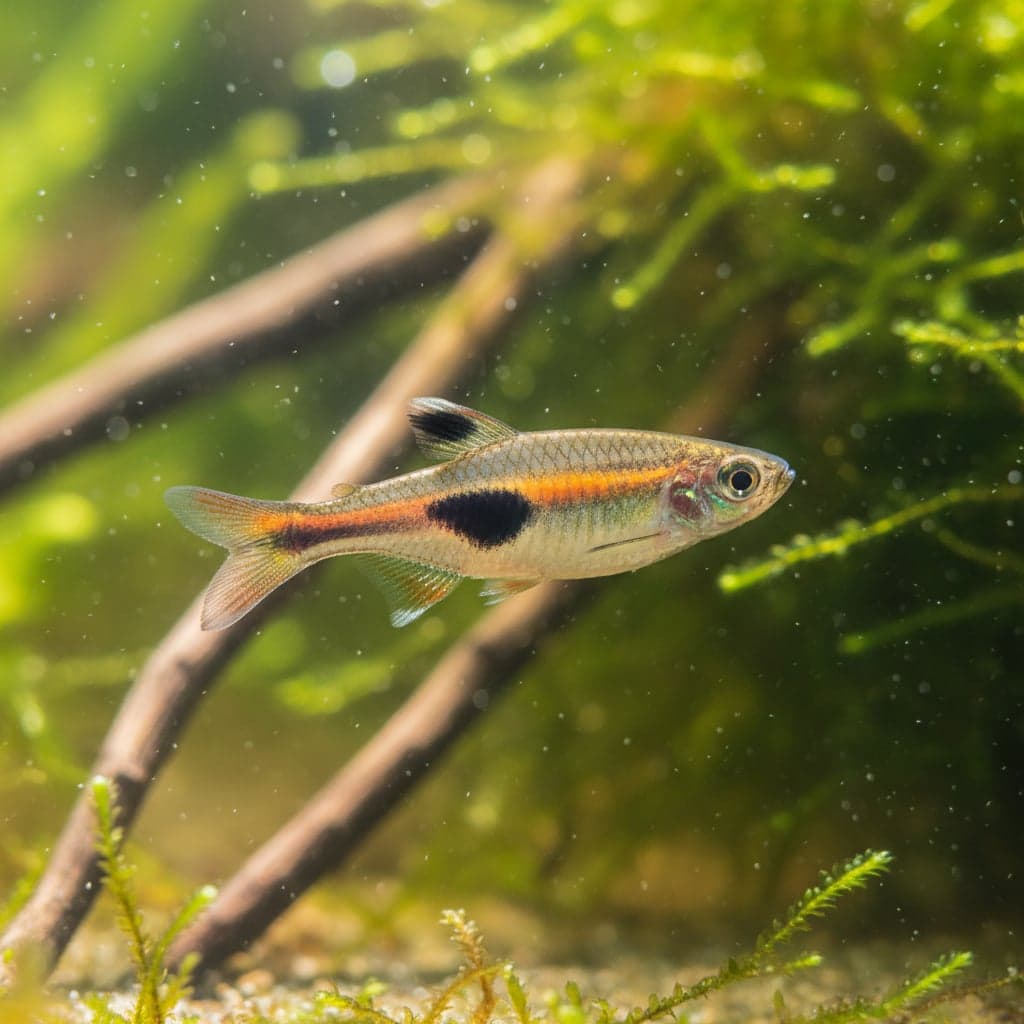
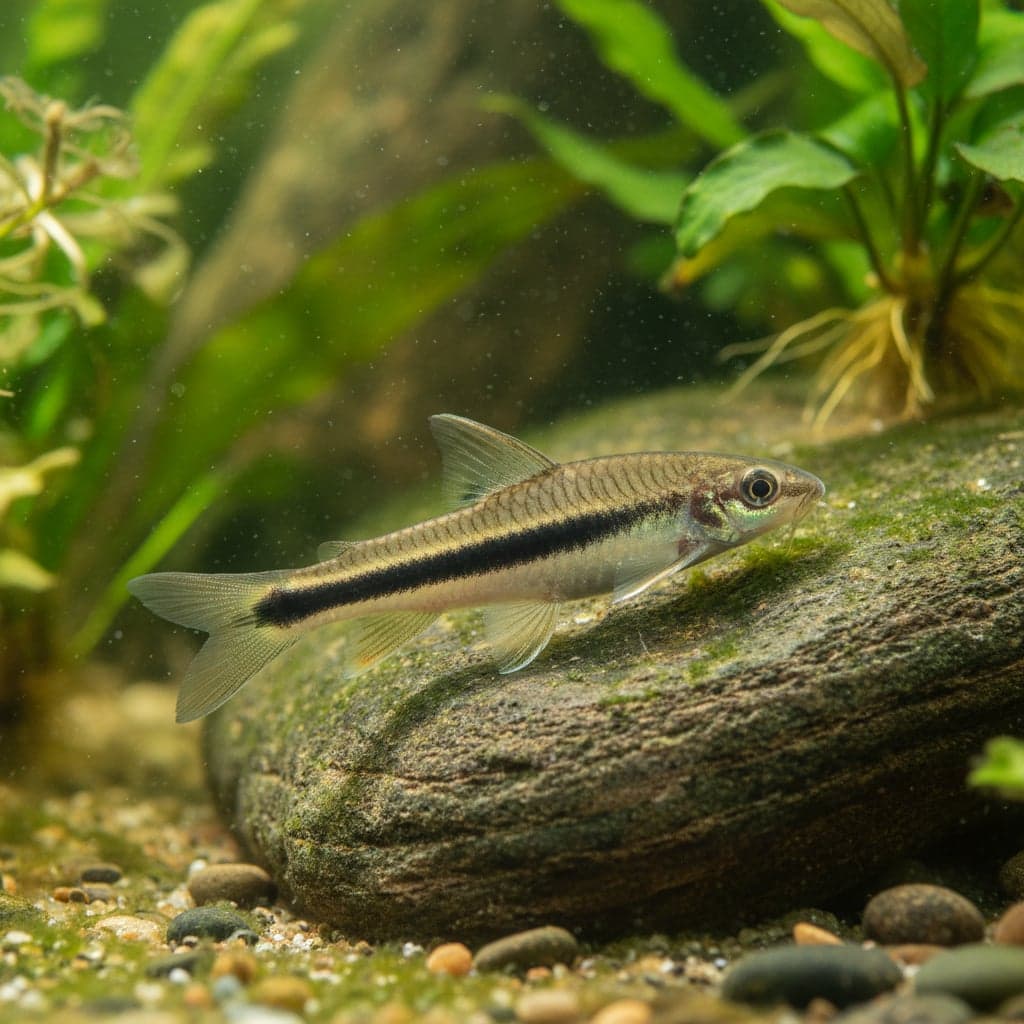
When selecting tank mates for the Sri Lankan Rainbow Rasbora, consider other small to medium-sized, peaceful fish. Suitable companions include species like the Neon Tetra, Guppy, Corydoras Catfish, and the Cherry Shrimp. These species not only coexist harmoniously but also contribute to the dynamic visual appeal of your aquarium.
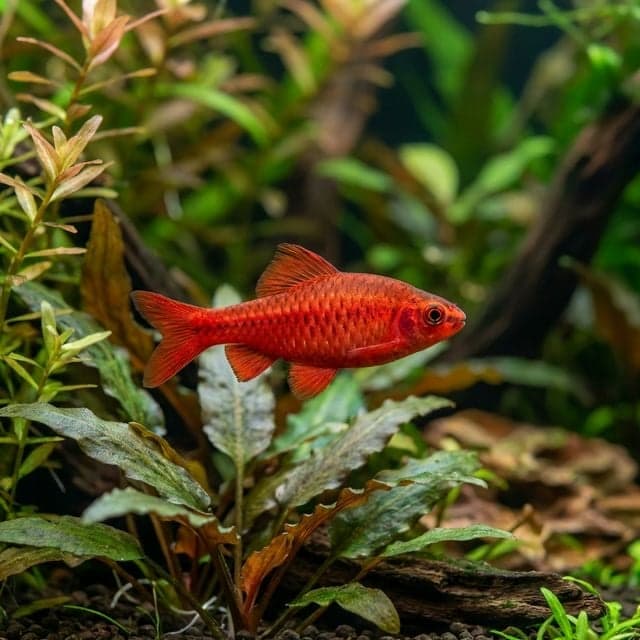
Species to avoid include larger or aggressive fish such as Cichlids or certain varieties of Barbs, which may pose a threat to the Rainbow Rasbora's peaceful nature. Additionally, fast-swimming or fin-nipping species could cause undue stress. Sticking to peaceful community fish ensures the best possible environment for all inhabitants.
Breeding
Breeding the Sri Lankan Rainbow Rasbora in captivity can be a rewarding endeavor for dedicated aquarists. These fish exhibit unique spawning behavior, often preferring to lay their eggs on fine-leaved plants or spawning substrates. To encourage breeding, maintain a separate breeding tank with soft, slightly acidic water conditions and ensure that the temperature is around 26°C (79°F).
When conditions are favorable, spawning typically occurs early in the morning. The female will scatter eggs among the plants, and it’s ideal to remove the adults post-spawning to avoid them consuming the eggs or fry. After about 24 to 36 hours, the eggs will hatch; the fry will become free-swimming within several days and can be fed on infusoria initially, transitioning to finely crushed flakes as they grow.
Common Health Issues
While generally hardy, the Sri Lankan Rainbow Rasbora may encounter certain diseases if proper care is not maintained. Common health issues include Ich (White Spot Disease), fin rot, and other stress-related ailments. Preventive measures, such as maintaining optimal water quality, performing regular water changes, and avoiding overcrowding, are essential in minimizing health risks.
It is advisable to quarantine any new fish before introduction to prevent potential disease transmission. Regular observation of the fish for any unusual behavior or physical abnormalities can facilitate timely interventions if health issues arise. Proper nutrition and a stress-free environment go a long way in ensuring the long-term health and vibrancy of the Sri Lankan Rainbow Rasbora.