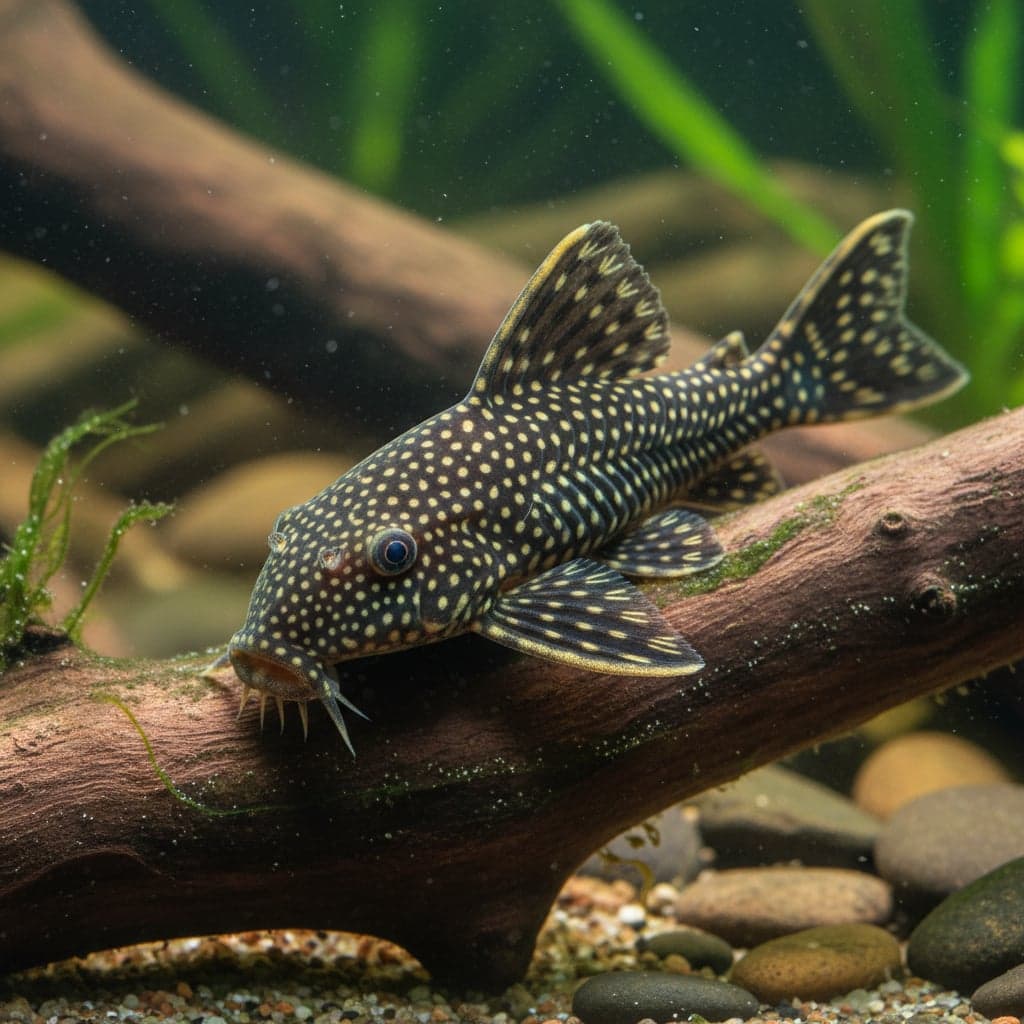
Starlight Bristlenose Plec L183: Ancistrus dolichopterus
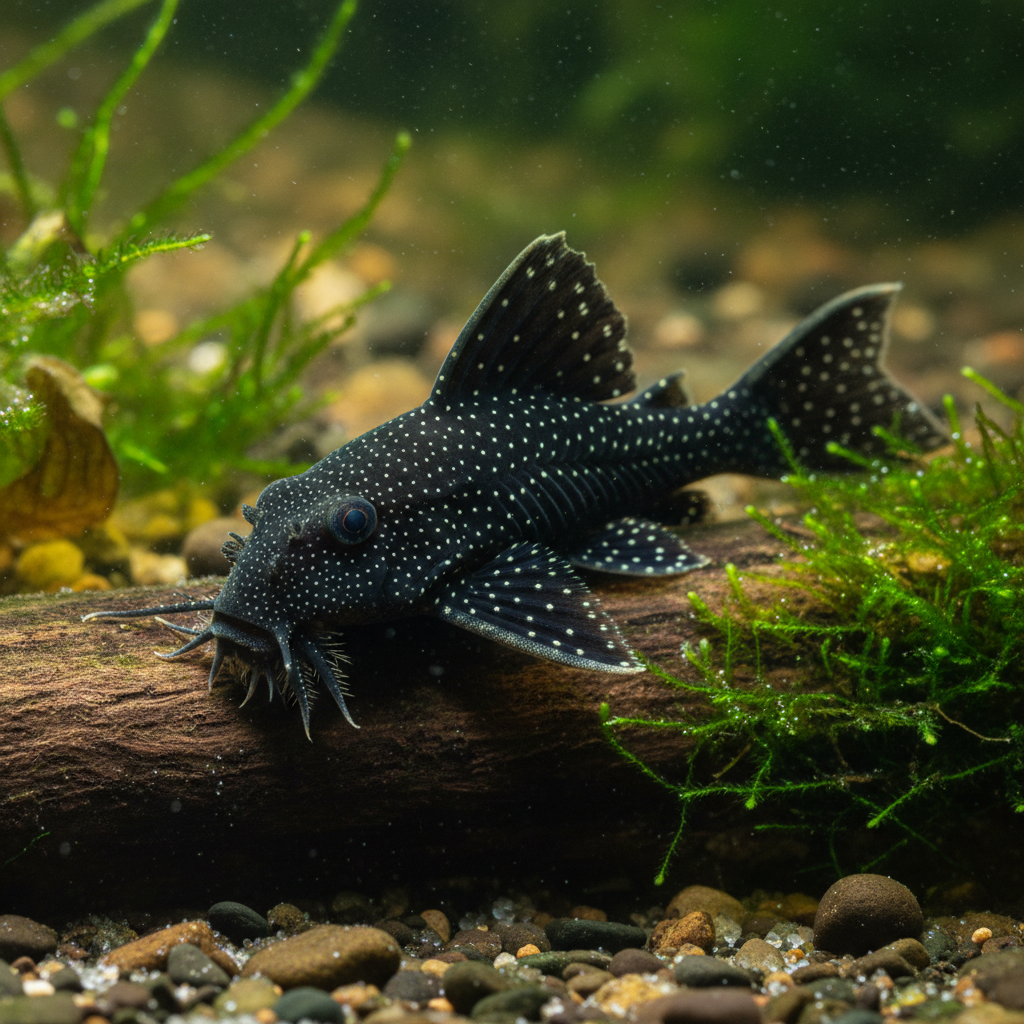
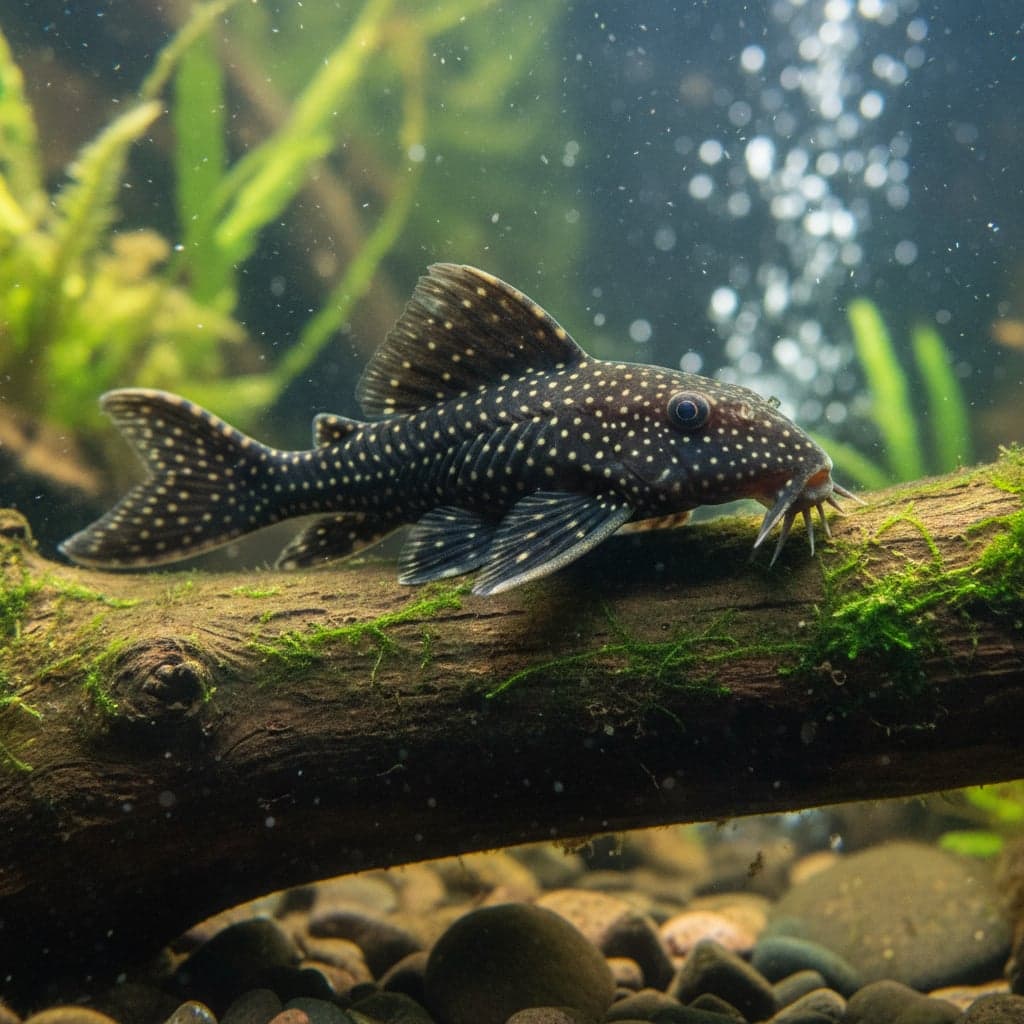
The Starlight Bristlenose Plec (L183) is a stunning and sought-after aquarium fish, famous for its deep black body adorned with a "starry" pattern of white spots and a distinct white seam on its fins.
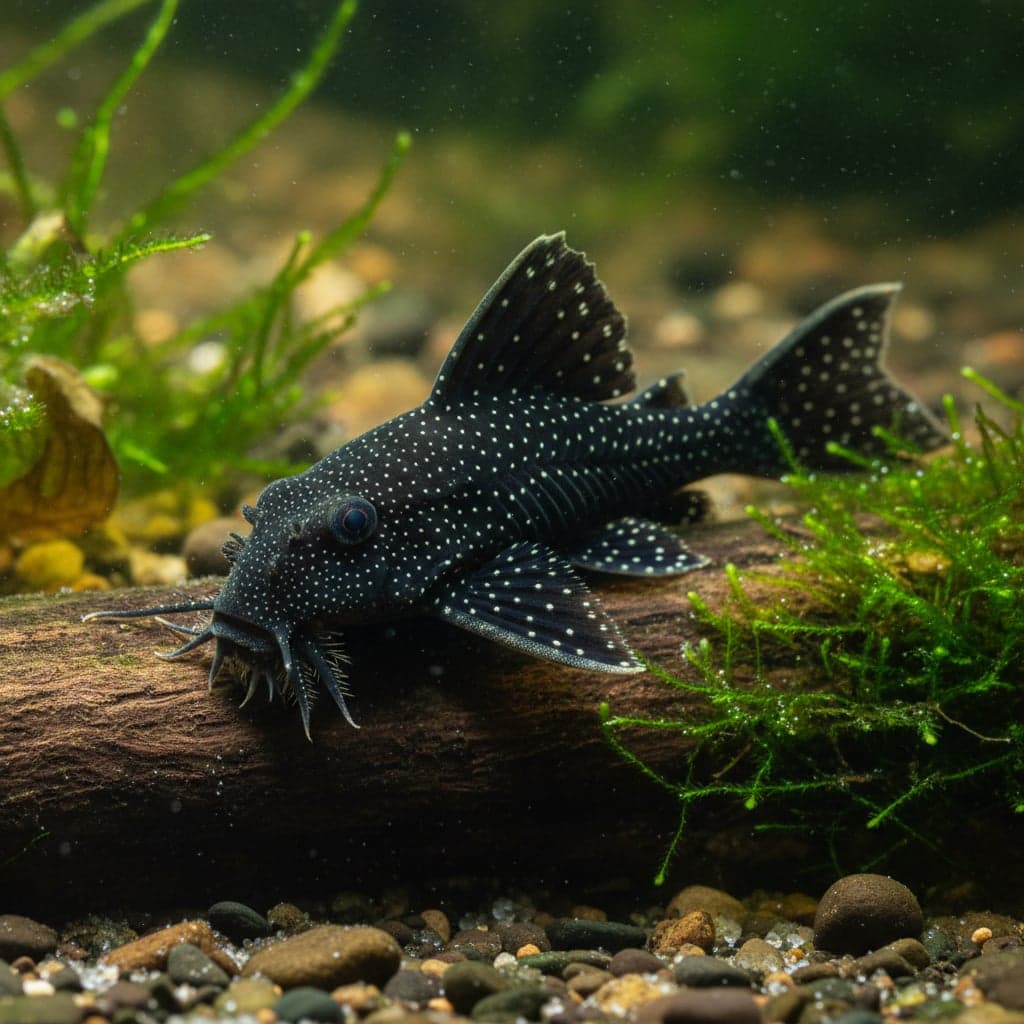
Starlight Bristlenose Plec L183
The Starlight Bristlenose Plec L183, scientifically known as Ancistrus dolichopterus, is a captivating species within the aquarium trade, celebrated for its unique coloration and interesting behavior. This fish is characterized by its striking blue and white spots set against a dark body, which enhances its appeal and makes it a stunning addition to any aquarium. The surface of its body is adorned with bristles, which are more pronounced in males and contribute to their whole aesthetic. Beyond its visual beauty, the Starlight Bristlenose Plec L183 serves a crucial role in aquaristics due to its algae-eating habits, making it both a decorative and functional fish in freshwater tanks.
In the aquarium hobby, the Starlight Bristlenose Plec L183 has gained a loyal following among enthusiasts because of its relatively low-maintenance care requirements and compatibility with various tank setups. This species not only provides aesthetic charm but also aids in maintaining water quality by consuming algae growth and detritus, making them ideal for community tanks. Its gentle behavior and unique adaptations make it an essential species for both beginner and experienced aquarists looking to diversify their aquatic environments.
Natural Habitat & Origin
The Starlight Bristlenose Plec L183 hails from the rivers and streams of South America, particularly within the Amazon River basin. This region is characterized by its rich biodiversity and varied aquatic environments, where the Starlight Bristlenose prefers slow-moving waters with abundant hiding spots such as rocks and wood. The natural habitats of this species often display "blackwater" conditions, where the water is stained by tannins from decaying plant material, providing a melanin-rich environment that reduces light penetration and fosters a unique ecosystem.
In their native habitats, the water conditions are typically soft, slightly acidic, and rich in organic matter, contributing to the well-being of the Starlight Bristlenose Plec. They thrive in temperatures ranging from 22°C to 28°C (72°F to 82°F), with a pH level between 6.0 and 7.5, making it essential for aquarists to replicate these parameters as closely as possible to ensure the health and longevity of these fascinating fish.
Care Requirements
To maintain optimal health for the Starlight Bristlenose Plec L183, specific water parameters must be adhered to. The ideal pH range is between 6.0 to 7.5, with water temperature maintained between 22°C and 28°C (72°F to 82°F). A hardness level of 2 - 10 dGH is also advisable to mimic the natural conditions of their environment. For aquarium setup, a minimum tank size of 75 liters (20 gallons) is recommended, though larger tanks allow for better environmental stability and provide ample swimming space.
The substrate should ideally be a mixture of fine gravel or sand to mimic riverbed conditions found in nature. Providing driftwood and rocks is crucial, as these not only serve as hiding places but also as surfaces for algae growth, which the Starlight Bristlenose enjoys grazing on. Lighting should be moderate; too bright can stress this species while allowing for the necessary light to promote plant growth. Introduce live plants, such as Java Fern, Anubias, and Vallisneria, to create an enriched environment that mirrors their natural habitat.
Diet & Feeding
The Starlight Bristlenose Plec L183 is primarily an herbivorous species, classifying it as an omnivore due to its dietary versatility. In an aquarium setting, they thrive on a diet rich in plant-based foods as well as protein sources. High-quality algae wafers, spirulina flakes, and blanched vegetables like zucchini and cucumber make excellent staples. Additionally, providing an occasional treat of high-protein foods such as bloodworms or frozen brine shrimp is beneficial, especially during breeding periods when they require nutritional boosts.
Regular feeding should consist of small portions provided multiple times a week, ensuring that food remains available for scavenging without polluting the water. While they are excellent algae eaters, it’s essential to supplement their diet to promote optimal health, as relying solely on algae may lead to nutritional deficiencies.
Behavior & Temperament
The Starlight Bristlenose Plec L183 is known for its calm and peaceful demeanor, making it an excellent companion in community tanks. This species exhibits solitary behavior or forms small groups but prefers to reside near vegetation, driftwood, or rocky structures where they feel secure. They are primarily bottom-dwelling fish, spending much of their time grazing algae and detritus on surfaces close to the substrate, and occasionally venturing into mid-water in search of food.
Socially, Starlight Bristlenose Plecs demonstrate minimal aggression, which allows them to coexist harmoniously with various species. However, males may display territorial behavior toward each other, particularly in confined spaces, so providing adequate hiding spots is essential to mitigate any potential conflicts. They prefer a horizontal or vertical placement, exploring the tank at various levels but commonly engaging in activities along the substrate and structures.
Tank Mates
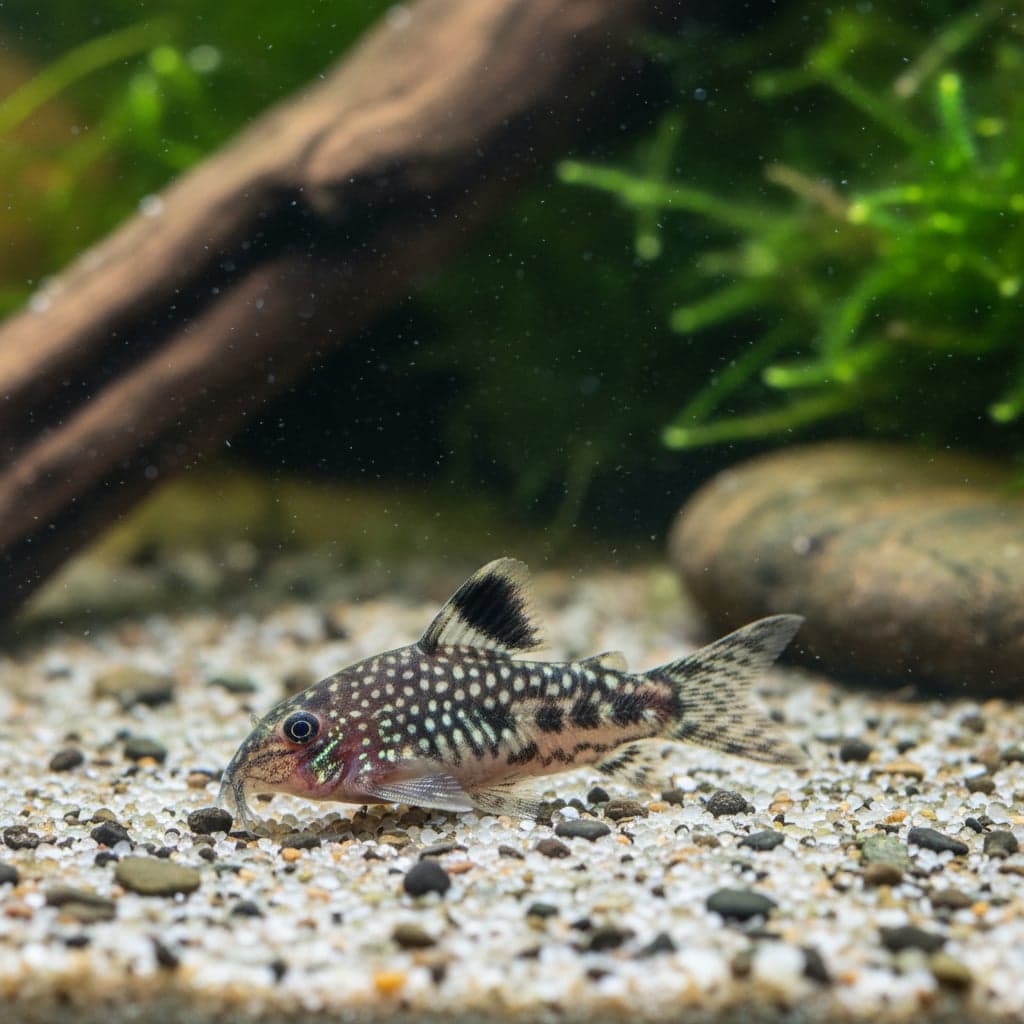
When selecting tank mates for the Starlight Bristlenose Plec L183, it is vital to choose peaceful species that will not intimidate or harm them. Ideal tank mates include tetras, rasboras, guppies, danios, and other small, non-aggressive fish. Community setups that feature soft and peaceful species provide a balanced environment where the Starlight Bristlenose can thrive.
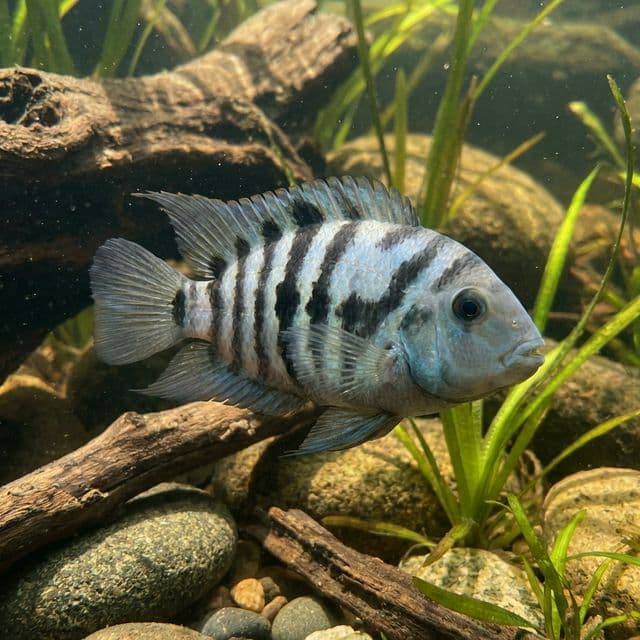
Conversely, it is advisable to avoid larger, aggressive fish that may pose a threat, such as cichlids or large barbs, which may harass or outcompete the Starlight Bristlenose for food. Avoid other bottom-dwelling species that may clash over territory.
Breeding
Breeding the Starlight Bristlenose Plec L183 can be achieved in captivity, provided the appropriate conditions are met. They are cavity breeders, meaning they spawn in secluded areas, such as caves or under driftwood. To trigger spawning, it's beneficial to simulate the rainy season by performing water changes that lower pH and increase water temperature slightly, coupled with a nutritious diet high in protein.
A mature male will typically show nesting behavior by clearing a space within a cave, where he will attract a female. After successful mating, the female will lay numerous eggs, which the male will then guard and aerate until they hatch, usually within 4 to 7 days. Post-hatching, the fry will consume their yolk sacs for sustenance, eventually transitioning to powdered foods and finely crushed flakes.
Common Health Issues
As with many fish species, the Starlight Bristlenose Plec L183 may be prone to certain health issues if not provided with proper care. Common ailments include ich (white spot disease), fin rot, and issues related to poor water quality. Maintaining stable water parameters, performing regular water changes, and ensuring a clean tank environment are essential preventative measures.
Equipping the aquarium with appropriate filtration and avoiding overstocking can further reduce the stress levels and vulnerability to disease. Observing behavioral changes, appetite, and physical appearance regularly will assist aquarists in identifying early signs of illness, allowing prompt quarantine and treatment before problems spread through the tank.