Sumatran Miniature Cyprinid: Paedocypris progenetica
One of the world's smallest vertebrates at under 1cm. Needs acidic peat- swamp water at pH 4.0-5.5 and no tank mates at all.
Sumatran Miniature Cyprinid
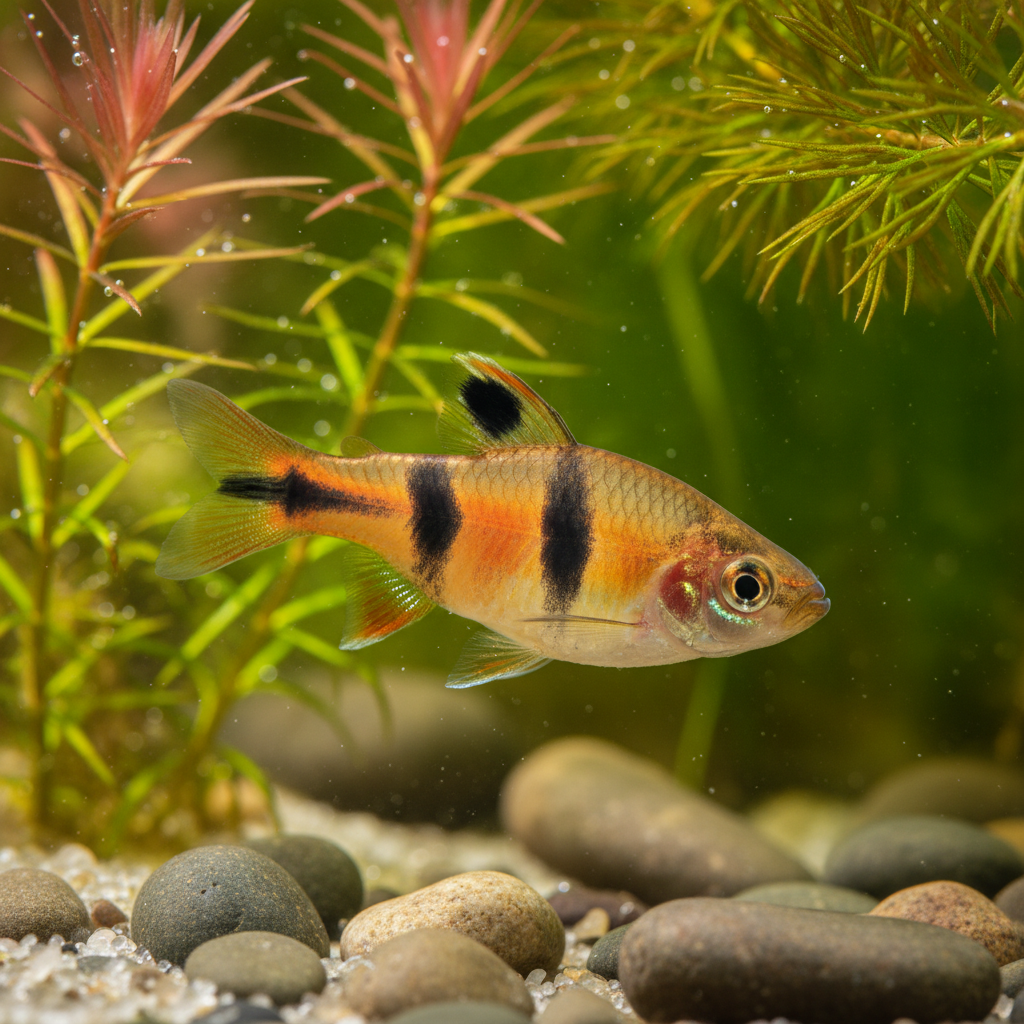
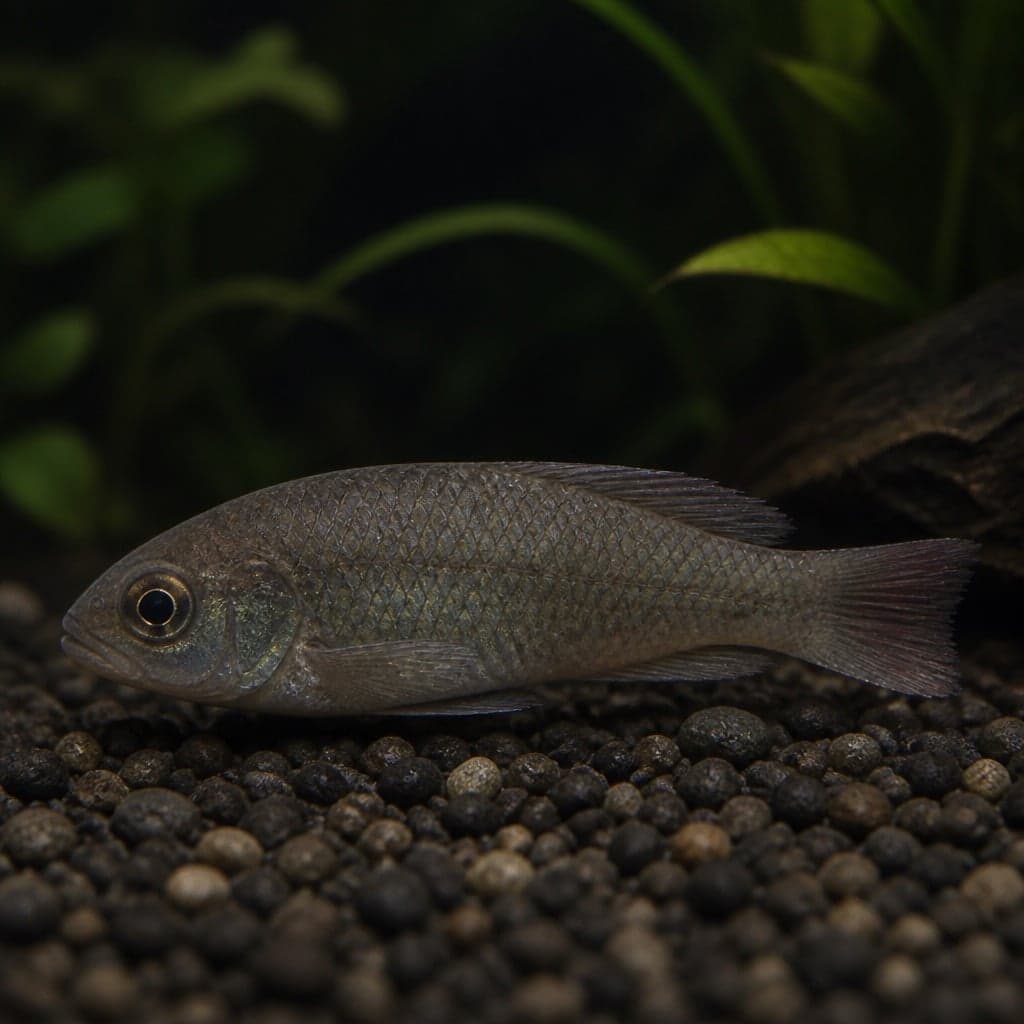
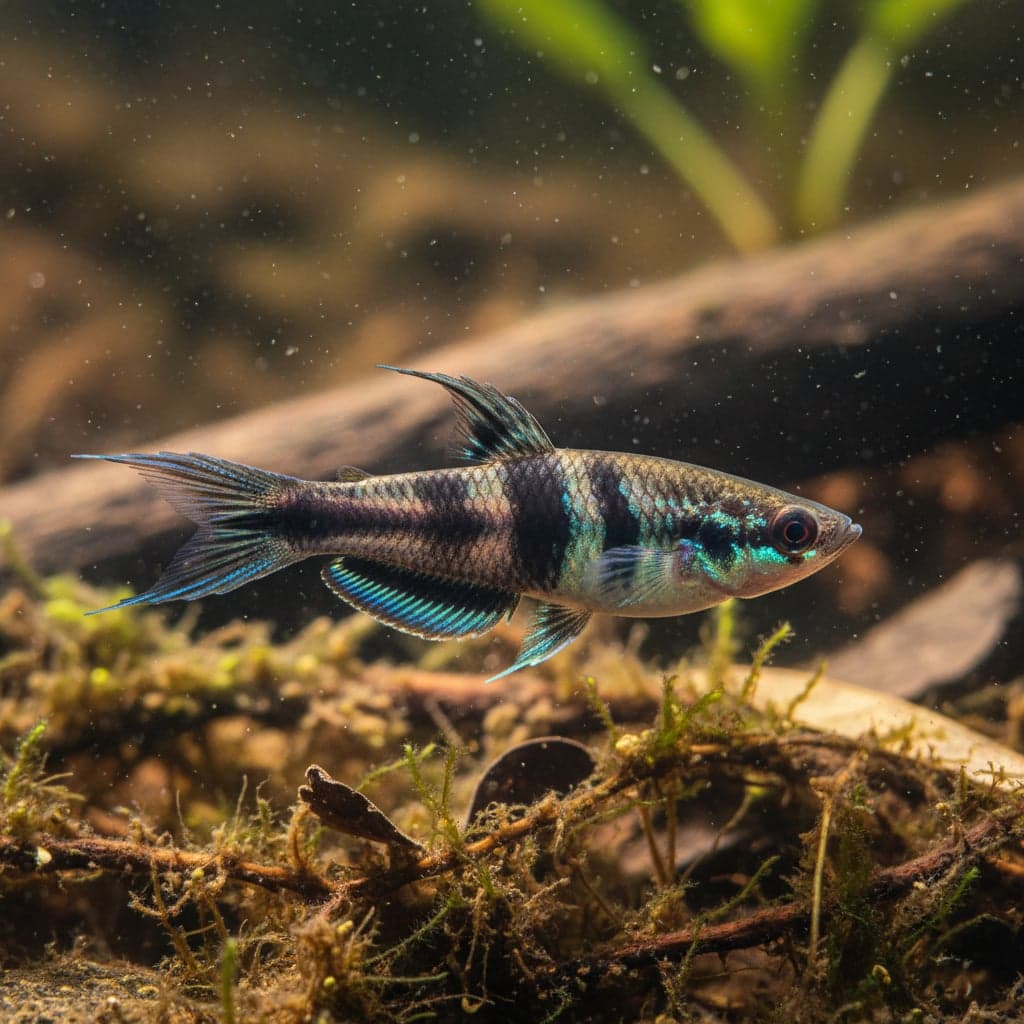
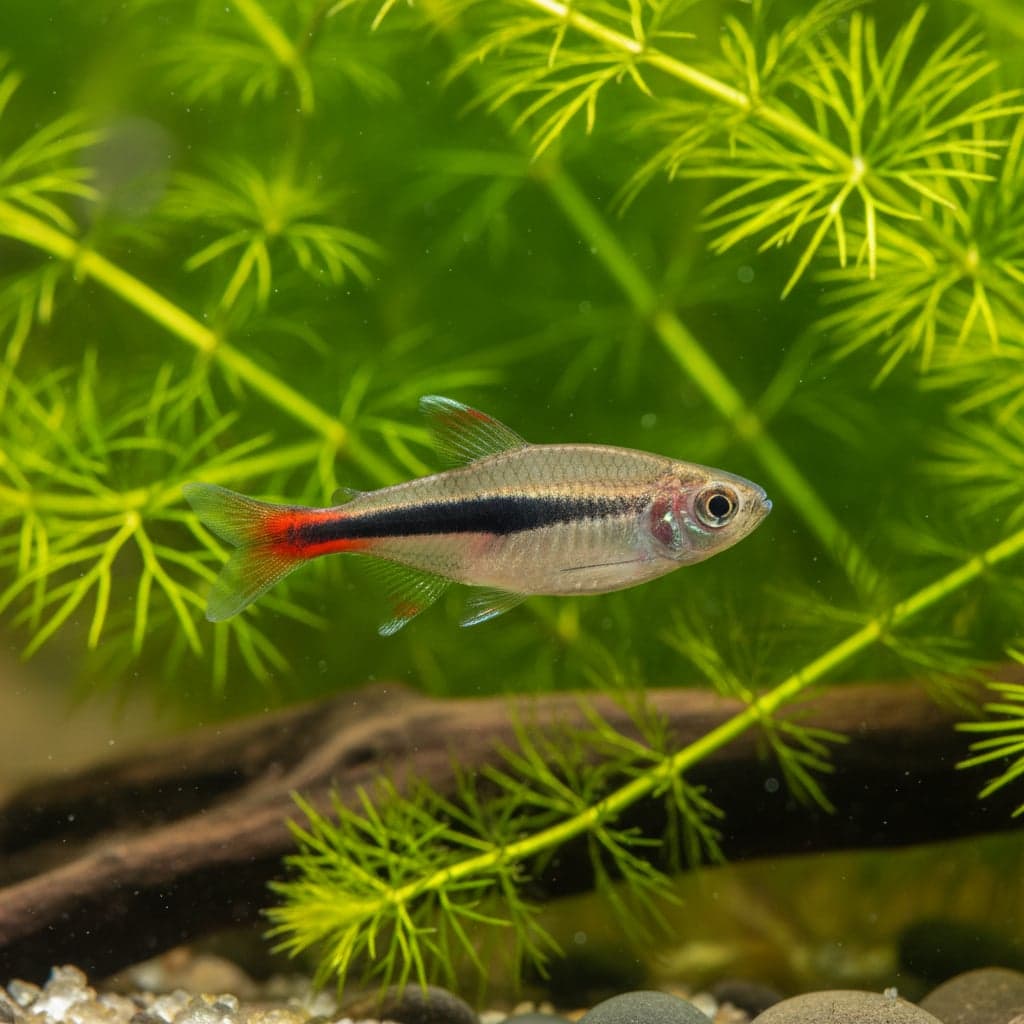
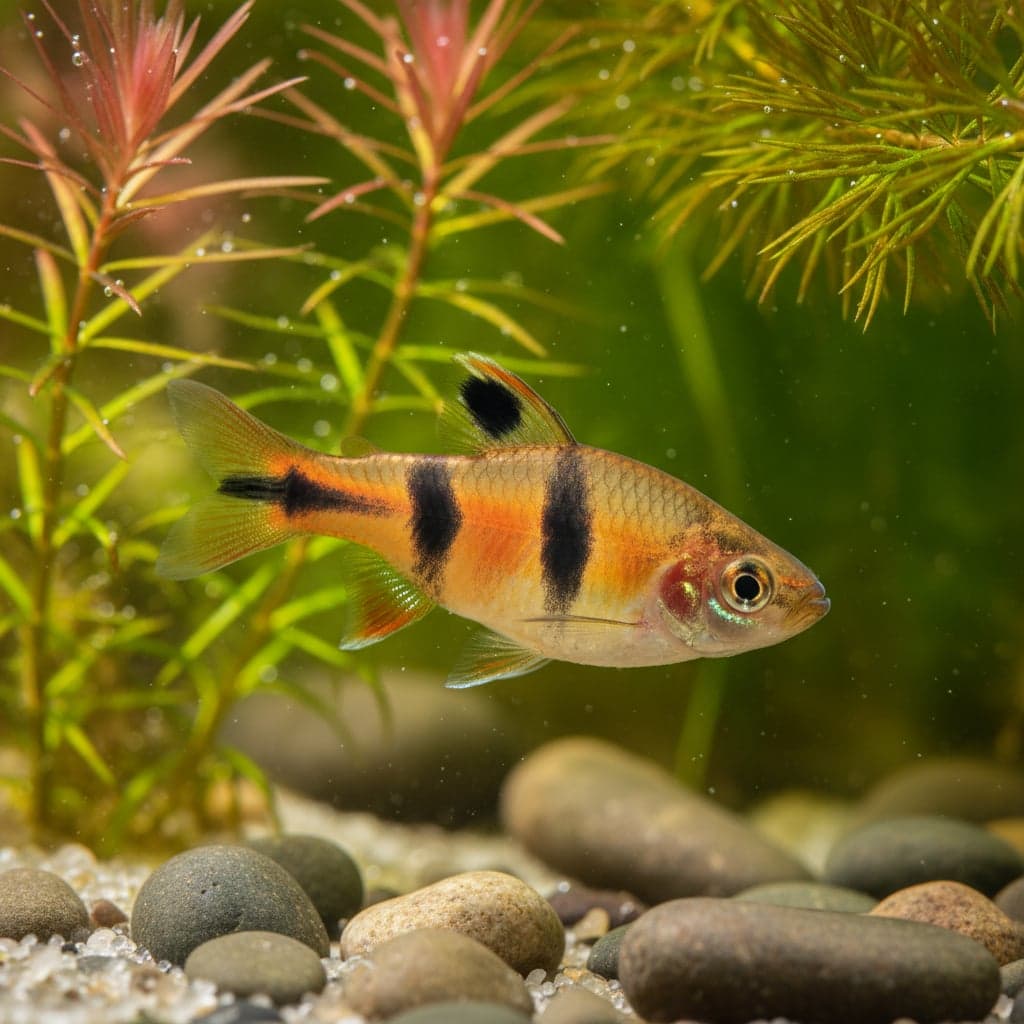
The Sumatran Miniature Cyprinid, scientifically known as Paedocypris progenetica, is a captivating and diminutive fish species native to the peat swamp forests of Sumatra, Indonesia. It holds the title of one of the smallest fish species in the world, with adults reaching lengths of only about 7.9 mm (0.31 inches). Its striking visual appeal lies in its translucent body, which exhibits a slight shimmering effect when light interacts with it, often revealing hints of coppery or golden tones. These unique characteristics make the Sumatran Miniature Cyprinid a popular choice among dedicated aquarium enthusiasts and collectors who appreciate the delicate beauty and rarity of this species.
In the aquarium hobby, the Sumatran Miniature Cyprinid serves not just as a display fish, but also as a testament to the diverse array of aquatic life that inhabits our planet's freshwater systems. Its unique adaptations to low-light environments and its specialized breeding patterns pique the interest of biologists and aquarium keepers alike. Additionally, its fragile nature encourages hobbyists to create and maintain appropriate biotope aquariums that mimic its natural habitat, fostering a deeper understanding of aquatic conservation and habitat preservation.
Natural Habitat & Origin
The Sumatran Miniature Cyprinid is endemic to the peat swamp forests of Sumatra, Indonesia, a region characterized by its unique biodiversity and complex ecological systems. These sections of rainforests host slow-moving waters that are typically acidic and darkly tinted due to the high concentration of tannins and organic matter. The waters in which this fish is found are usually classified as blackwater, providing an environment that is low in nutrients but rich in plant and animal matter. This distinctive habitat not only influences the Sumatran Miniature Cyprinid's physical attributes but also plays a crucial role in its feeding behaviors and breeding practices.
The environmental context of the Sumatran Miniature Cyprinid’s habitat is crucial for understanding its care needs in captivity. The interspersing of dense plant life and decaying vegetation in these waters supports a diverse micro-ecosystem. This setting also allows the fish to exhibit their natural behaviors, such as foraging and seeking shelter. Due to habitat destruction and pollution, the Sumatran Miniature Cyprinid is considered vulnerable, drawing attention to the importance of preserving its natural habitat while fostering awareness among aquarium hobbyists.
Care Requirements
To maintain the health and well-being of the Sumatran Miniature Cyprinid, a specific set of water parameters should be established. Ideal conditions include a pH range of 4.0 to 6.5, with temperatures between 24°C to 27°C (75°F to 81°F). Soft water is essential, with a hardness of less than 5 dGH. The tank setup should reflect the Sumatran Miniature Cyprinid's natural environment; therefore, a minimum tank size of 10 gallons is recommended to provide ample swimming space and stable water conditions.
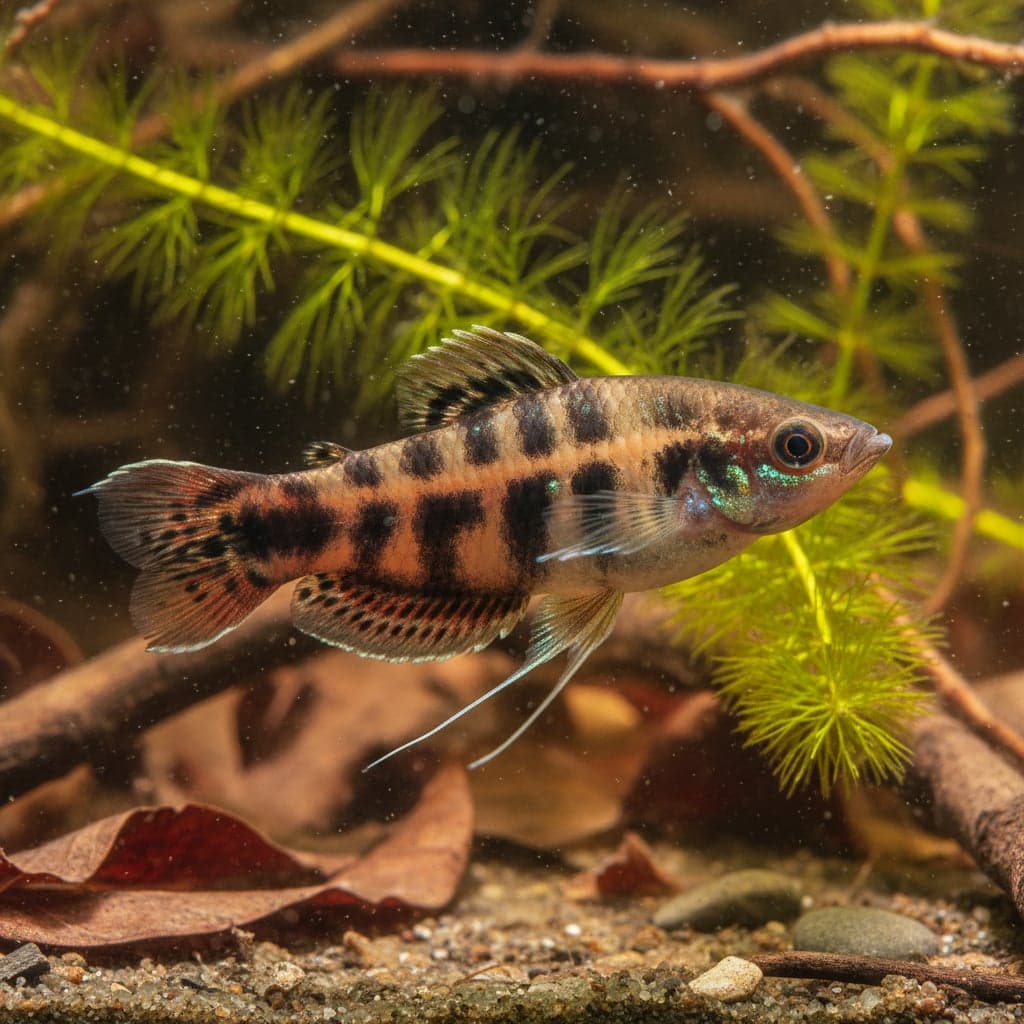
For substrate, opt for a dark, fine sand or rich soil that mimics its natural habitat. The tank should be densely planted with species such as Java moss and floating plants to create shaded areas and provide hiding spots. Lighting should be moderate to low, as the fish naturally inhabit darker waters. Additionally, the inclusion of driftwood and leaf litter can facilitate a more authentic ecological environment while promoting the overall health of the aquarium's ecosystem.
Diet & Feeding
The Sumatran Miniature Cyprinid is primarily an omnivore, exhibiting a varied diet that encompasses both plant material and small invertebrates. In captivity, it thrives on high-quality micro-pellets, finely crushed flake foods, and small live offerings such as daphnia and brine shrimp. Given their small size, it is advisable to select food options that are appropriately sized to prevent any feeding challenges. Supplementing their diet with frozen foods can add variety and essential nutrients, ensuring optimal growth and health.
In addition to prepared foods, incorporating live or frozen micro-worms can mimic the natural feeding habits of the Sumatran Miniature Cyprinid. It is crucial to monitor their feeding carefully, as these fish have small mouths and may become stressed if competing with larger tank mates for food. Striking a balance in their diet will not only promote vibrant coloration but also enhance their breeding success and overall vitality.
Behavior & Temperament
The Sumatran Miniature Cyprinid is known for its peaceful and gentle demeanor, making it an ideal candidate for community tanks. These fish are inherently social and thrive in groups, exhibiting schooling behavior that comes to life when housed in larger numbers. Ideally, keep them in a minimum group of six individuals, which not only reduces stress but also lets them display their natural behavioral patterns. They are often seen hovering at the mid-level of the tank, darting between plants and structures as they interact with one another.
While the Sumatran Miniature Cyprinid is not aggressive, it should be noted that they can become skittish if kept in overly spacious or open environments. Providing plenty of hiding spaces and well-planted areas promotes comfort and reduces stress, allowing them to exhibit more natural behaviors. Observing the Sumatran Miniature Cyprinid’s unique swimming pattern and social interactions can be a delightful experience for any aquarist.
Tank Mates
When selecting tank mates for the Sumatran Miniature Cyprinid, it is important to choose species that share similar care requirements and temperament. Ideal companions include other small, peaceful fish such as Celestial Pearl Danios (Celestichthys margaritatus), Microdevario kubotai, and small Corydoras species. Shrimps and snails, such as Amano shrimp or Nerite snails, can also coexist harmoniously without posing any threat to the mini-cyprinid.
Species to avoid include larger or more aggressive fish that may view the Sumatran Miniature Cyprinid as prey, such as cichlids or any species that display territorial behavior. By favoring non-aggressive, similarly-sized fish, you can create a peaceful and harmonious community tank that highlights the delicate nature of the Sumatran Miniature Cyprinid.
Breeding
Breeding the Sumatran Miniature Cyprinid in captivity can be a rewarding experience, though it requires specific conditions to replicate their natural spawning behavior. They are egg scatterers, and breeding conditions should mimic the slightly acidic, soft water of their native habitat, with similar dusky lighting during spawning times. Thus, as a precaution, setting up a separate breeding tank with fine-leaved plants can provide a suitable environment for spawning.
To initiate spawning, it’s beneficial to condition the fish through a varied diet of live and high-quality foods, which boosts their reproductive readiness. Once the breeding pair is established, they will scatter eggs amongst the plants; it is recommended to remove the adults after spawning to prevent them from consuming the eggs. Fertilized eggs typically hatch within a few days, producing tiny fry that require infusoria or specialized fry food until they grow large enough to accept more substantial food. With proper care, hobbyists can successfully breed and raise the Sumatran Miniature Cyprinid in a home aquarium.
Common Health Issues
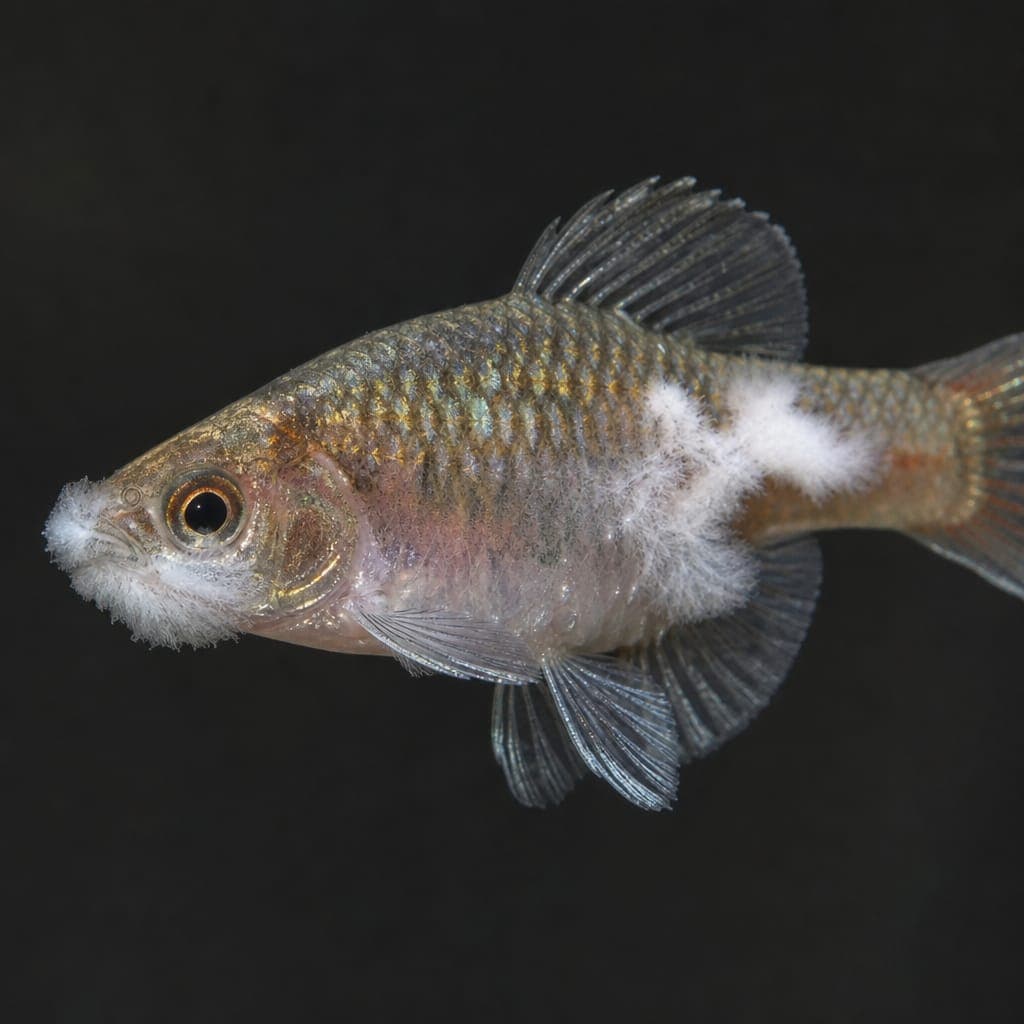
While the Sumatran Miniature Cyprinid is generally hardy, it can still develop ich, fin rot, or fungal infections when water quality slips or the tiny school is stressed. Quarantine new arrivals, keep soft acidic parameters stable, and avoid overcrowding. Watch for white spots, clamped fins, flashing, or loss of appetite, and treat promptly. Regular water changes, gentle filtration, and a fine crushed-flake diet support immunity so Sumatran Miniature Cyprinids remain active nano-schoolers for years.