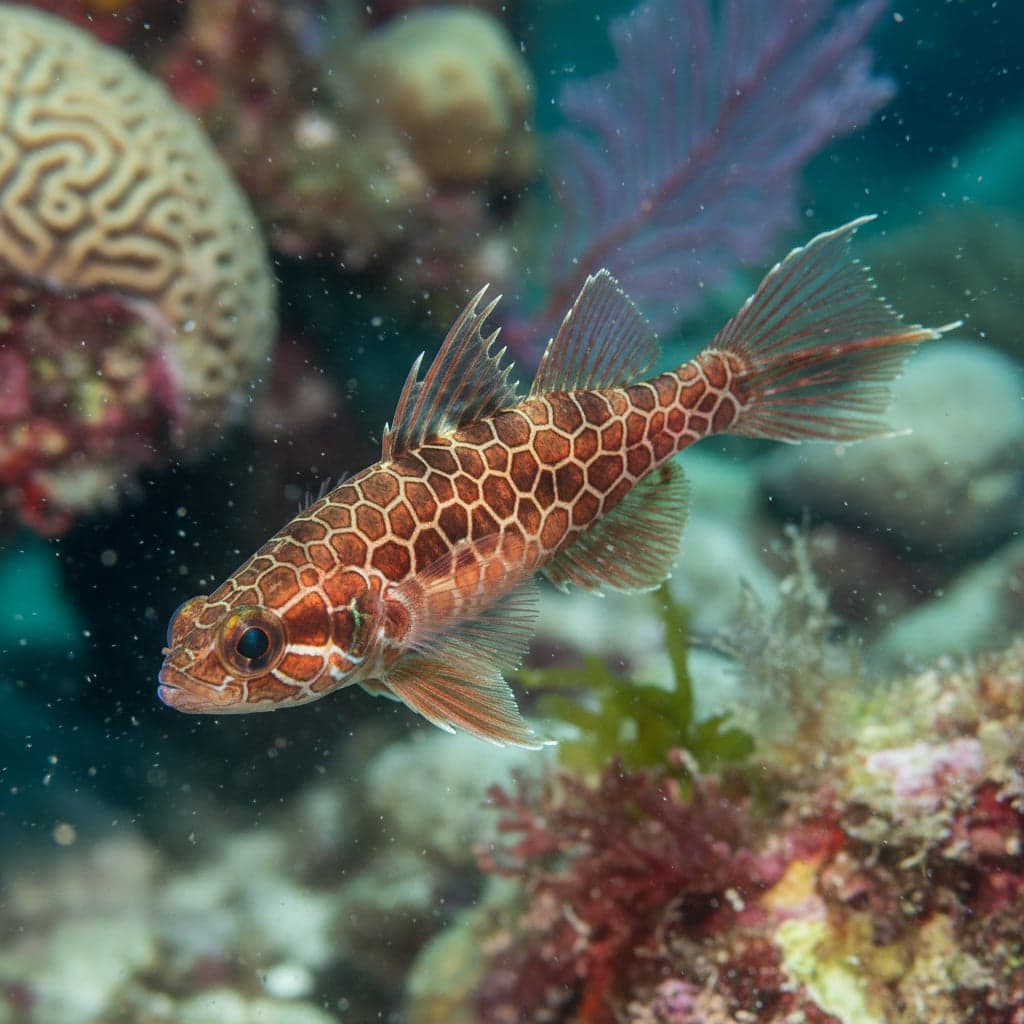
Threespot Headstander: Pseudanos trimaculatus
A 15cm headstander that feeds nose-down and grazes plants. Semi-aggressive with its own kind — keep one or five plus.
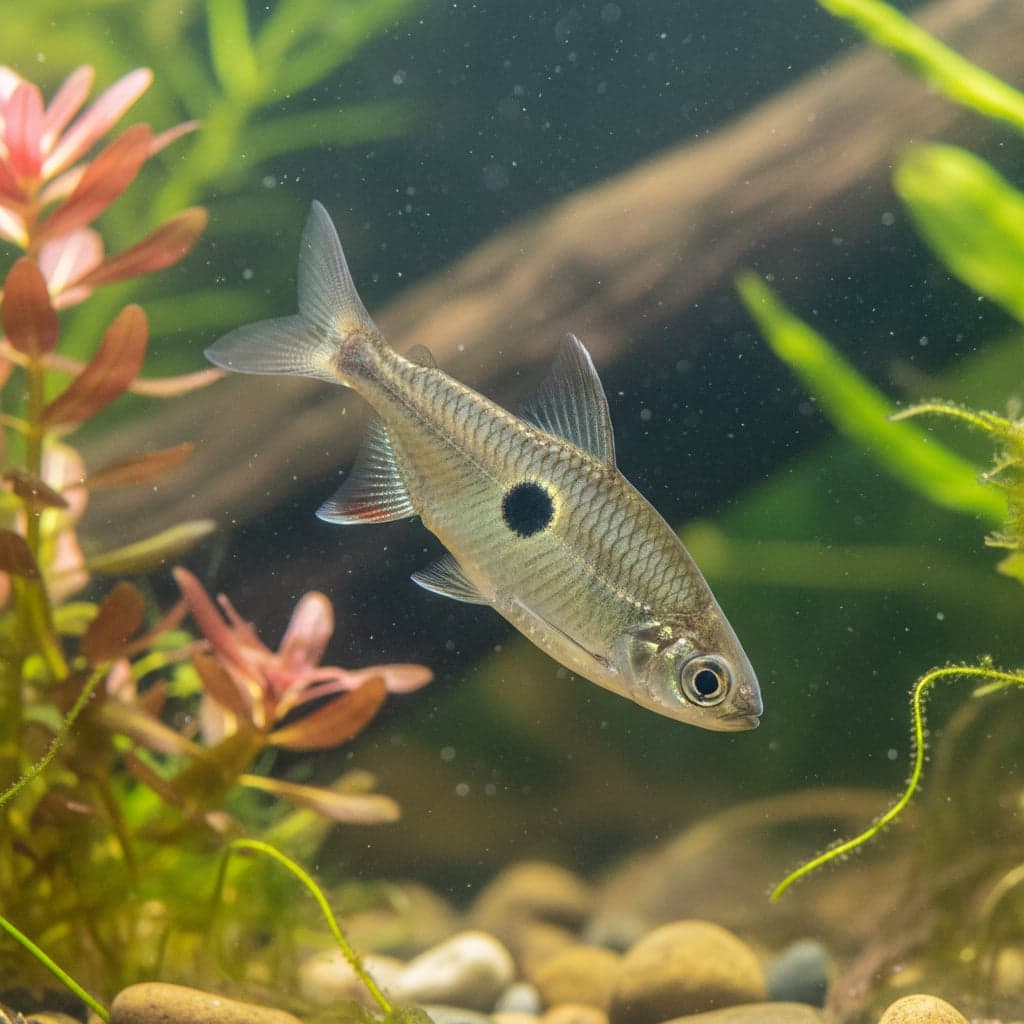
Threespot Headstander
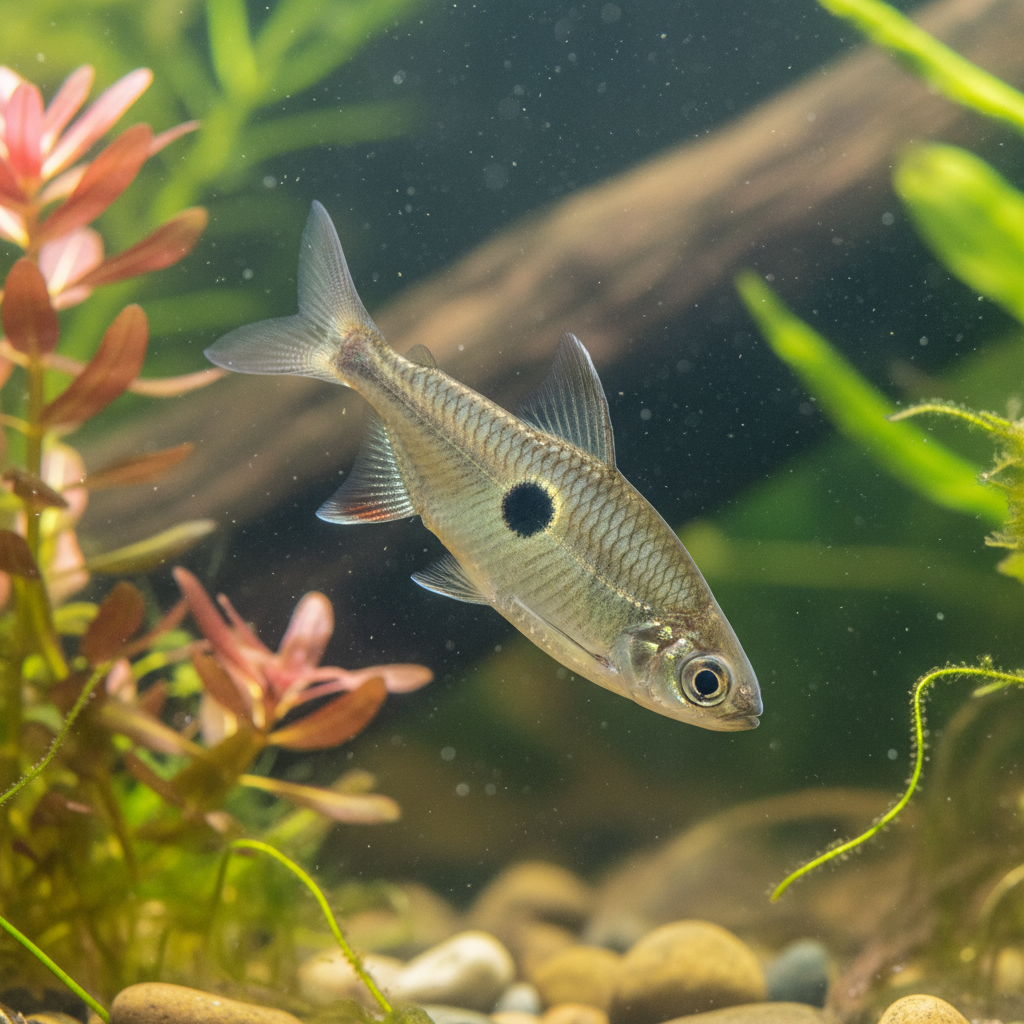
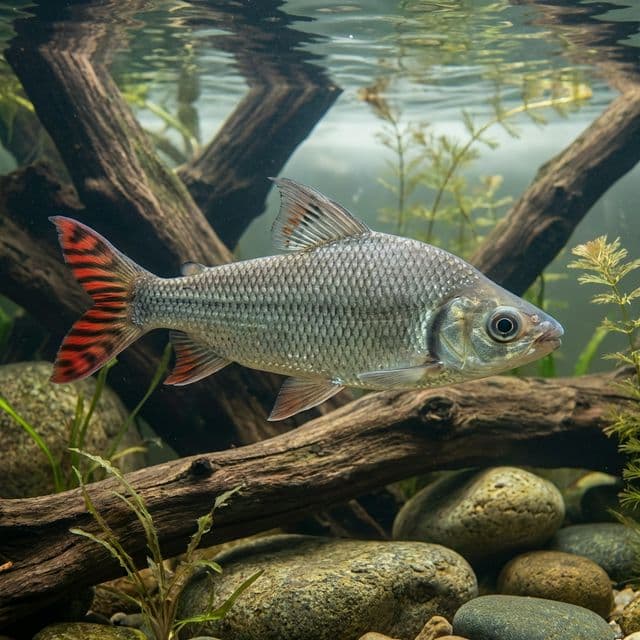
The Threespot Headstander (Pseudanos trimaculatus) is a fascinating freshwater fish that captivates aquarium enthusiasts with its unique behaviors and vibrant appearance. This species is known for its distinctive swimming posture, often positioning itself at an angle with its head tilted upwards, which is a behavior that gives it its common name. With its elongated body, striking coloration featuring a mix of iridescent greens and blues, and three prominent black spots along its flanks, the Threespot Headstander is visually appealing and can be a stunning centerpiece in a well-planned aquarium. Beyond its aesthetic value, the Threespot Headstander holds significance in the aquarium hobby due to its intriguing behaviors and the challenges it presents for keepers in replicating its natural habitat and social dynamics.
Native to the waters of South America, particularly the Amazon River Basin, the Threespot Headstander is often sought after by aquarists looking to add a unique and interactive species to their collection. Its playful and curious nature makes it a joy to observe, encouraging hobbyists to create environments that mimic its natural surroundings. As a result, the Threespot Headstander not only serves as a beautiful addition to any tank but also as an opportunity for fish keepers to engage more deeply with the needs and behaviors of freshwater species.
Natural Habitat & Origin
The Threespot Headstander originates from the Amazon River Basin, primarily found in regions marked by slow-moving waters and various habitats such as flooded forests and swampy areas. This fish thrives in blackwater environments, where the water is stained by tannins from decaying plant matter, resulting in a low pH and high acidity. This type of habitat is typically characterized by soft, warm water that is rich in organic material, making it essential for aquarists to replicate such conditions in captivity to promote the best health and natural behaviors for these fish.
In its natural setting, the Threespot Headstander prefers areas with plenty of hiding spots, such as submerged roots and vegetation, which provide refuge from both predators and harsh environmental conditions. The presence of these structures is vital, as they not only protect the fish but also offer territories that can be respected within their social structures. Understanding this natural habitat is key to creating an aquarium environment that satisfies the Threespot Headstander’s needs.
Care Requirements
When it comes to the care requirements for the Threespot Headstander, maintaining appropriate water parameters is crucial. The ideal pH range for this species is between 5.5 to 7.0, with soft water hardness between 2 to 10 dGH. In terms of temperature, these fish thrive in warmer waters, ideally between 75°F to 82°F (24°C to 28°C). To replicate their natural habitat, aquarists should utilize a substrate that mimics the dark, organic-rich bottoms of blackwater rivers. Crushed leaf litter and fine gravel make for excellent choices.
In terms of tank setup, a minimum tank size of 30 gallons is recommended for a small group of Threespot Headstanders. The aquarium should include plenty of hiding spots through the use of driftwood, rocks, and live or plastic plants that can create an environment reminiscent of their native waters. Low to moderate lighting is ideal as it mimics the dappled sunlight experienced under the forest canopy. Regular water changes and a good filtration system are also key components in maintaining water quality conducive to the health of the Threespot Headstander.
Diet & Feeding
The Threespot Headstander is classified as an omnivore, which means it enjoys a varied diet that can consist of both plant and animal matter. In captivity, it is essential to offer a balanced diet to ensure optimal health and color expression. High-quality flakes, pellets, and freeze-dried foods should form the basis of their diet. Additionally, incorporating frozen or live foods, such as brine shrimp, daphnia, and bloodworms, will provide enrichment and encourage natural foraging behaviors.
To promote the well-rounded diet needed for proper growth and coloration, try to offer a mix of these food types daily. While Threespot Headstanders can adapt to standard fish food, they thrive when given a varied diet that mimics their natural feeding habits in the wild, thus enhancing their health and vitality.
Behavior & Temperament
The Threespot Headstander exhibits a playful demeanor, which makes them quite entertaining to observe. Known for their unique swimming posture, they often angle their bodies upright against submerged objects, providing an interesting visual experience. These fish are generally social and should be kept in groups to ensure they thrive, as they exhibit schooling behavior in their natural habitats. When kept in groups of four or more, they display more natural behaviors and tend to be bolder.
Although the Threespot Headstander is not typically aggressive, they can exhibit territorial behavior, especially during breeding or when establishing dominance in the group. It's important to provide enough space and hiding spots to allow individual fish to establish their territories without conflict. They generally occupy the mid to upper levels of the aquarium, often hovering near the surface, adding dynamic movement and interest to the tank.
Tank Mates
Choosing compatible tank mates for the Threespot Headstander is essential for a harmonious aquarium environment. Suitable companions include other non-aggressive species that thrive in similar water conditions, such as Tetras, Rasboras, and peaceful community species like Corydoras catfish and Gouramis. These fish not only coexist well with Threespot Headstanders but also share similar dietary needs and environmental preferences.
However, it is advisable to avoid aggressive or territorial species such as Cichlids or larger fish that might view the Threespot Headstander as prey. Keeping fast-moving and peaceful anti-tank mates helps ensure that the Threespot Headstander feels secure and free to showcase its delightful personality without fear of aggression.
Breeding
Breeding Threespot Headstanders in captivity can be accomplished with the right conditions and environment. They are naturally egg scatterers, typically spawning among plants or on flat surfaces within their aquarium environment. To encourage breeding, water conditions should mimic their natural habitats—maintaining a slightly acidic pH of around 6.5 and a temperature around 80°F (27°C) is ideal.
Creating a breeding tank with plenty of fine-leafed plants or spawning mops is beneficial, as these structures provide a safe space for eggs to adhere to. After spawning, it is advisable to remove the parents from the breeding tank to prevent them from eating the eggs. The eggs will hatch within 24 to 48 hours, and fry will begin to swim freely after a few days. At this point, properly-sized food like infusoria can be provided to promote healthy growth.
Common Health Issues
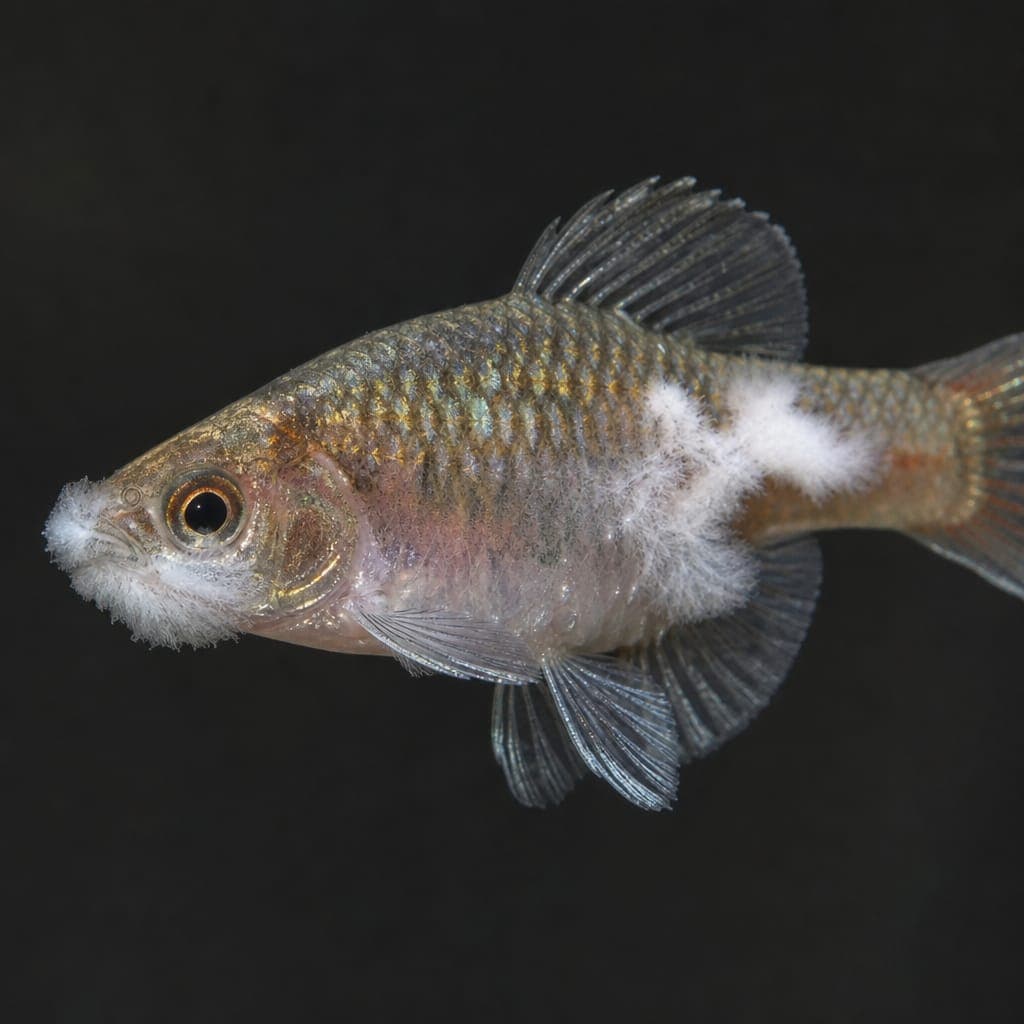
While Threespot Headstanders are generally hardy fish, they can be prone to certain health issues if not properly cared for. Common diseases include Ichthyophthirius (Ich), fin rot, and various fungal infections. Proper water quality, including regular testing and routine water changes, significantly reduces the risk of these ailments.
Preventative measures include maintaining a balanced diet and monitoring tank conditions closely. Additionally, keeping the aquarium stress-free and avoiding overstocking will contribute to the overall health of the Threespot Headstander and its tank mates. Should illness arise, prompt treatment with appropriate medications and isolation of affected individuals can prevent spread through the school. Quarantine newcomers, keep water highly oxygenated, and avoid sudden parameter swings that stress these active midwater fish. Never ignore faded colour, frantic surface gulping, or refusal to school with tank mates. Watch for white spots, frayed fins, clamped fins, or lethargy, and treat promptly with appropriate medications. A varied diet, spacious swimming room, and pristine water keep Threespot Headstanders healthy, active, and resilient for years.