Butterfly Plec L052: Dekeyseria picta
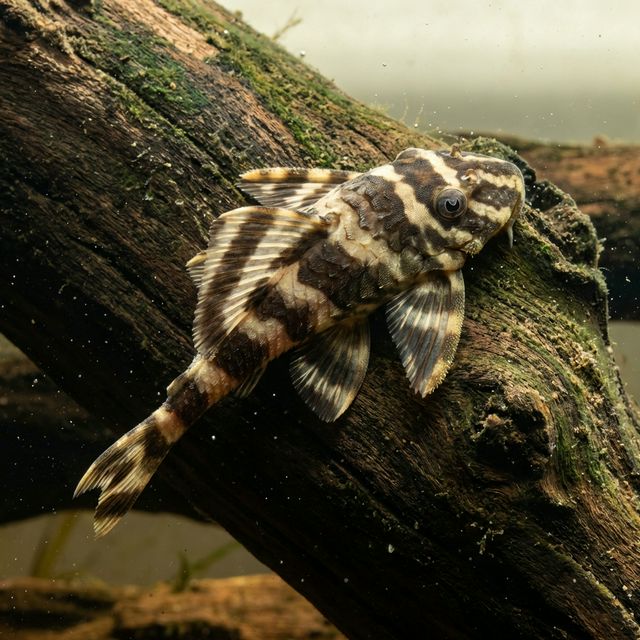
A flounder-like pleco with variable patterns. Can change color to match substrate.
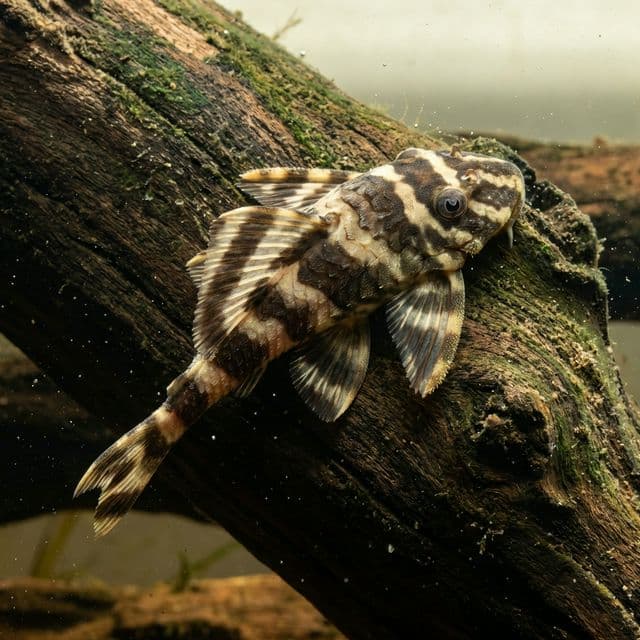
Butterfly Plec L052
The Butterfly Plec L052, scientifically known as Dekeyseria picta, is a striking and colorful addition to the freshwater aquarium hobby. This species is a part of the Loricariidae family, which is well-known for its unique body shape and beautiful markings. The Butterfly Plec is characterized by its elongated body, adorned with vibrant patterns of yellow and black, resembling the wings of a butterfly. These eye-catching colors make it a favorite among aquarists looking to add both aesthetic appeal and diversity to their tanks. They grow to a moderate size, typically reaching around 6 inches in length, making them suitable for both community tanks and specialized biotope aquariums.
Significantly, the Butterfly Plec L052 plays a crucial role in its native ecosystem by helping to control algae populations on submerged surfaces. Its behavior of grazing on algae and biofilm contributes to the overall health of the aquatic environment. This fish's unique appearance and ecological importance have made it a sought-after species for aquarists who value not only beauty but the functionality of their aquatic pets. Understanding its requirements and natural behavior is essential for maintaining a healthy and thriving aquarium.
Natural Habitat & Origin
The Butterfly Plec L052 hails from the waters of the Rio Orinoco and its tributaries in Venezuela. This region is characterized by its blackwater habitats, where the water is stained with tannins released from decaying organic matter, giving it a dark, tea-like appearance. These environments are typically low in mineral content, with soft, acidic waters that provide a suitable home for a plethora of fish and aquatic life. The surrounding rainforest contributes to the biological diversity of this ecosystem, offering shelter and breeding grounds for countless species, including the Butterfly Plec.
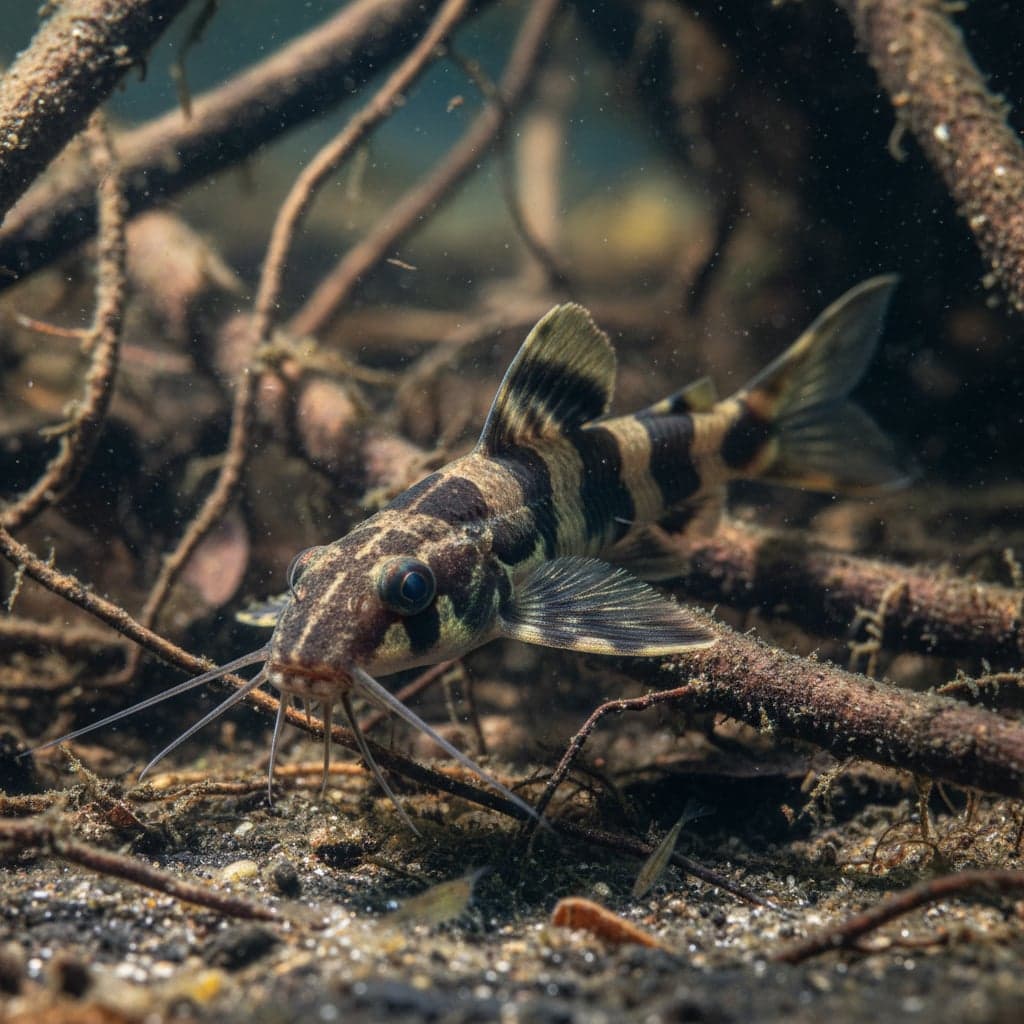
In their natural habitat, Butterfly Plecs are found among leaf litter and submerged wood, which provide both food and shelter. The substrate is often soft and sandy, with plenty of hiding places among roots and branches. This intricate environment plays a critical role in their development, behavior, and social interactions, making it essential for any aquarist to replicate these conditions as closely as possible in captivity.
Care Requirements
To successfully keep the Butterfly Plec L052, it is vital to replicate its natural water parameters in the aquarium. Their ideal water temperature ranges between 75°F to 82°F (24°C to 28°C), with a slightly acidic pH ranging from 6.0 to 7.5. The hardness should be kept low, ideally between 2 to 10 dGH, to simulate their soft-water habitat.
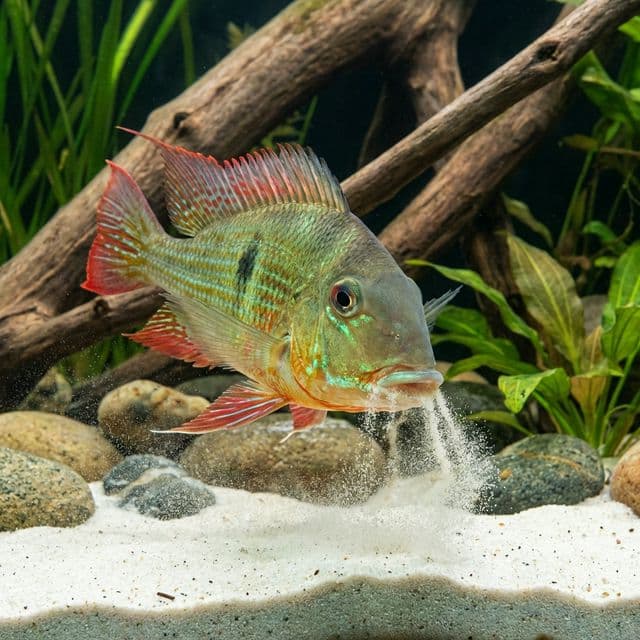
Tank setup is critical for these fish. A minimum tank size of around 50 gallons is recommended to ensure ample space for swimming and exploration. The substrate should be fine sand or smooth gravel to prevent injury to their sensitive bodies. Providing plenty of hiding spots is essential; therefore, include driftwood, caves, and dense plants like Java fern or Anubias, which also help maintain water quality by absorbing excess nutrients. Low to moderate lighting levels are preferred to mimic the dim light conditions of their natural habitats and encourage algae growth, which is an important food source.
Diet & Feeding
The Butterfly Plec L052 is an omnivorous fish that primarily feeds on algae and biofilm in the wild. In captivity, it's crucial to provide a varied diet that mimics this natural grazing. Quality sinking pellets or wafers formulated for herbivorous fish can be a staple, alongside a selection of fresh vegetables like zucchini, cucumber, or spinach. Additionally, occasional feedings of high-quality frozen or live foods such as brine shrimp or bloodworms will help ensure a balanced diet.
Flake foods can also be offered, but they should not constitute the main diet. Providing a range of food types will encourage natural foraging behavior and ensure their nutritional needs are met, promoting optimal growth and health. Be mindful that overfeeding can lead to water quality issues, so it’s essential to monitor food intake and adjust accordingly.
Behavior & Temperament
The Butterfly Plec L052 is generally a peaceful and shy species, known for its reclusive nature. They tend to be more active during the night and prefer to stay hidden during the day, making them more susceptible to stress in a brightly lit environment. These fish are non-aggressive and can often be found resting on surfaces or grazing on algae. While they are not schooling fish, they can be kept in small groups, provided the aquarium is spacious enough to allow each individual to establish its territory.
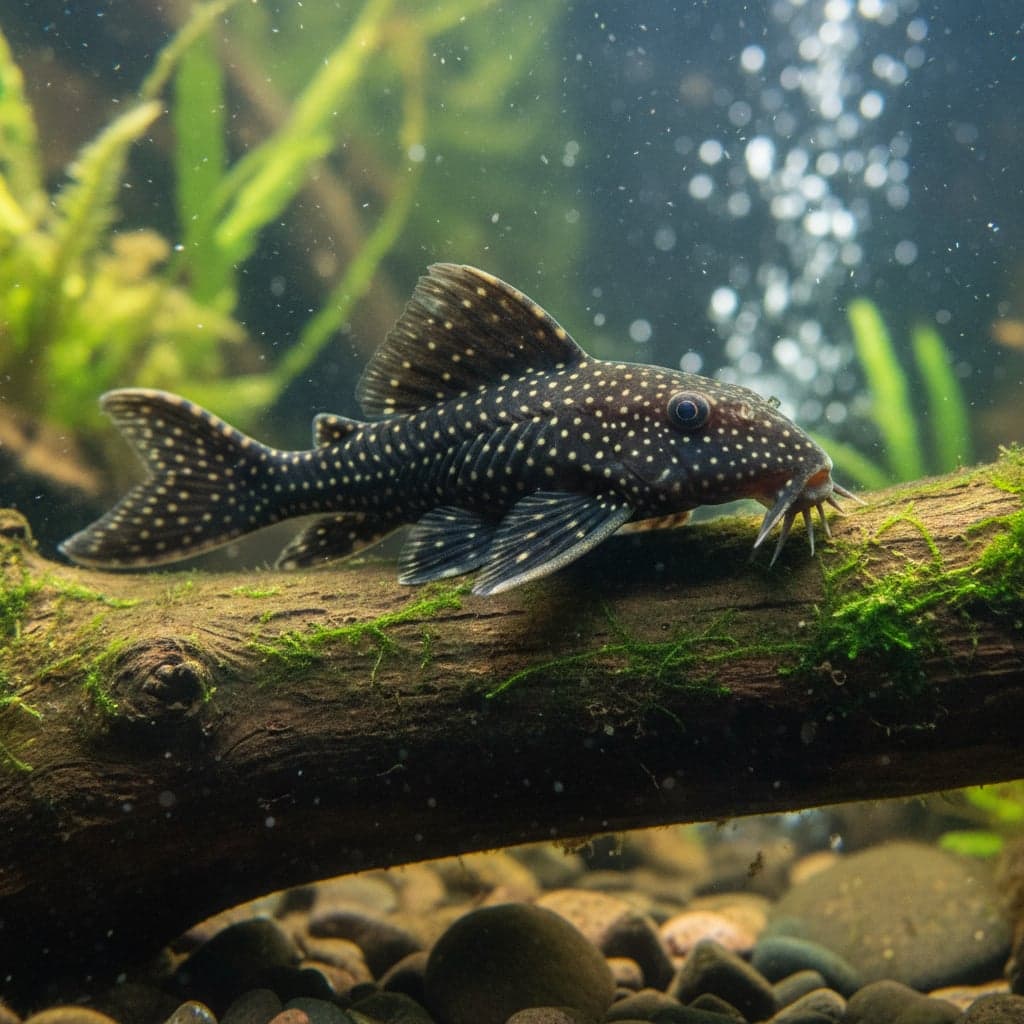
Their vertical placement in the aquarium is often noteworthy; they can often be seen hugging surfaces while hovering at various angles. Being a bottom-dweller, they enjoy roaming near the substrate and will appreciate layers of decor and plants that provide security and mimic their natural habitat.
Tank Mates
When selecting tank mates for the Butterfly Plec L052, it is crucial to choose species that also prefer softer, acidic water conditions. Ideal companions include other South American cichlids such as Apistogramma species, tetras like Neon Tetras or Von Rio Tetras, and peaceful bottom-dwellers such as Corydoras catfish.
However, it is advisable to avoid aggressive fish or those known to nip at fins, like some larger cichlids or certain barbs. Additionally, consider the size and temperament of potential tank mates, as the Butterfly Plec may feel threatened by overly boisterous species. A well-planned community tank will help reduce stress and promote a harmonious environment for all inhabitants.
Breeding
Breeding the Butterfly Plec L052 in captivity can be challenging, primarily due to specific environmental conditions typically seen in their natural habitat. To encourage spawning, it is essential to provide optimal water conditions similar to the wild, including slightly lower pH and higher temperatures. A breeding tank or environment should include caves for spawning, as they often lay their eggs in secluded areas away from potential threats.
During courtship, the male will display to the female, often leading her to the chosen site. After successful mating, the female will deposit eggs, which the male will take responsibility for guarding and aerating. Post-hatching, it is essential to provide proper nutrition for the fry; powdered food or finely crushed algae will ensure healthy growth. Because breeding often relies on precise environmental conditions, patience and attention to detail are paramount for successful outcomes.
Common Health Issues
Like all aquarium fish, the Butterfly Plec L052 can be susceptible to certain health issues. Common diseases include ich (Ichthyophthirius multifiliis), skin infections, and fin rot, particularly in cases of poor water quality or stress. Ensuring the aquarium is properly maintained, with regular water changes and monitoring of water parameters, will significantly reduce the risk of these ailments.
Additionally, providing a varied diet will help enhance the fish’s immunity and overall health. Keeping an eye on their behavior and physical appearance will allow for early detection of potential health issues. Quarantine new arrivals and monitor changes in their environment to prevent the outbreak of diseases in established tanks.